

Storytelling – The Bridge to Building Trust and Lasting Relationships in Marketing
Why Stories Transform Marketing – Building Trust Through Connection
Stories are more than just entertainment; they are the key to cutting through the noise in today’s crowded digital space, where businesses compete for limited attention spans and consumers demand authenticity. The rise of ad blockers, information overload, and skepticism towards traditional advertising have made storytelling in marketing a vital tool for forging genuine connections. Research reveals that stories are 22 times more memorable than facts alone, making them a powerful tool for building trust and engagement.
When your brand shares an authentic story, you create a human connection with your audience. People want to feel seen and understood, and a well thought out story can evoke emotions that drive loyalty and conversions.
For example, Dove’s “Real Beauty” campaign focused on authentic stories of self-confidence and empowerment, resonating deeply with millions worldwide.
Actionable Tips for Creating Trustworthy Stories:
- Focus on your audience’s challenges and aspirations. For example, use social media listening tools to identify recurring pain points or analyse survey data to uncover specific challenges your audience faces. These insights will help you create stories that speak directly to their needs.
- Show authenticity through real customer experiences.
- Use relatable characters and conflicts to keep your audience engaged. For example, Nike’s “You Can’t Stop Us” campaign showcased athletes overcoming personal and societal challenges, creating a narrative that resonated deeply with viewers and highlighted perseverance.
Pro Tip: Use emotional triggers in your storytelling to boost relatability and memorability.

What Is Content Creation and Why Does It Matter?
Content creation is the backbone of any successful marketing strategy, increasingly supported by the rise of AI and automation tools that streamline processes and enhance efficiency. It encompasses everything from blog posts and social media updates to videos and infographics—all designed to attract, engage, and convert your audience.
The Role of Storytelling in Marketing in the Buyer’s Journey
- Awareness Stage
- Blog posts and educational videos help potential customers discover your brand.
- Consideration Stage
- Case studies and comparison guides address their pain points.
- Decision Stage
- Testimonials and product demos help seal the deal.
Content Creation Tips
- Repurpose content across multiple channels to maximise reach.
- Understand your audience’s needs and preferences using surveys or analytics.
- Focus on quality over quantity—valuable, relevant content always wins.

The Key Elements of Effective Storytelling in Marketing
A compelling story has three core components:
- Relatability.
- Your audience needs to see themselves in your story. Address their pain points and desires.
- Conflict.
- Highlight the challenges your audience faces.
- Resolution.
- Show how your product or service provides the solution.
Why Storytelling Drives Conversions
- Stories create emotional connections that lead to trust.
- A relatable narrative can simplify complex concepts, making your product easier to understand.
- Emotional engagement increases the likelihood of audience action.
Actionable Storytelling Tips
- Incorporate Data into Stories
- Combine emotional narratives with concrete data to add credibility.
- Use Visual Storytelling
- Leverage videos, infographics, and animations to make your story more engaging.
- Call-to-Action Integration
- Ensure your story naturally leads to a clear, compelling CTA.
Example: Airbnb’s user stories highlight hosts and travellers, nurturing a sense of community and trust.

The Content Creation Process of Storytelling in Marketing
From Ideas to Execution
Effective content creation starts with a clear plan and thoughtful execution. This section breaks down the process into manageable steps, ensuring you deliver high-quality, engaging content consistently.
Step 1: Understand Your Audience
Creating impactful content begins with understanding your audience’s needs, preferences, and behaviours. By identifying who they are and what they value, you can create messages that resonate deeply.
How to Get Started:
- Develop buyer personas to represent your ideal customers.
- Use tools like Google Analytics to gather demographic and behavioural insights.
- Conduct surveys or interviews to uncover pain points and preferences.

Evergreen Tip: Periodically refresh your audience research to stay aligned with their evolving needs and trends.
Step 2: Plan Your Content
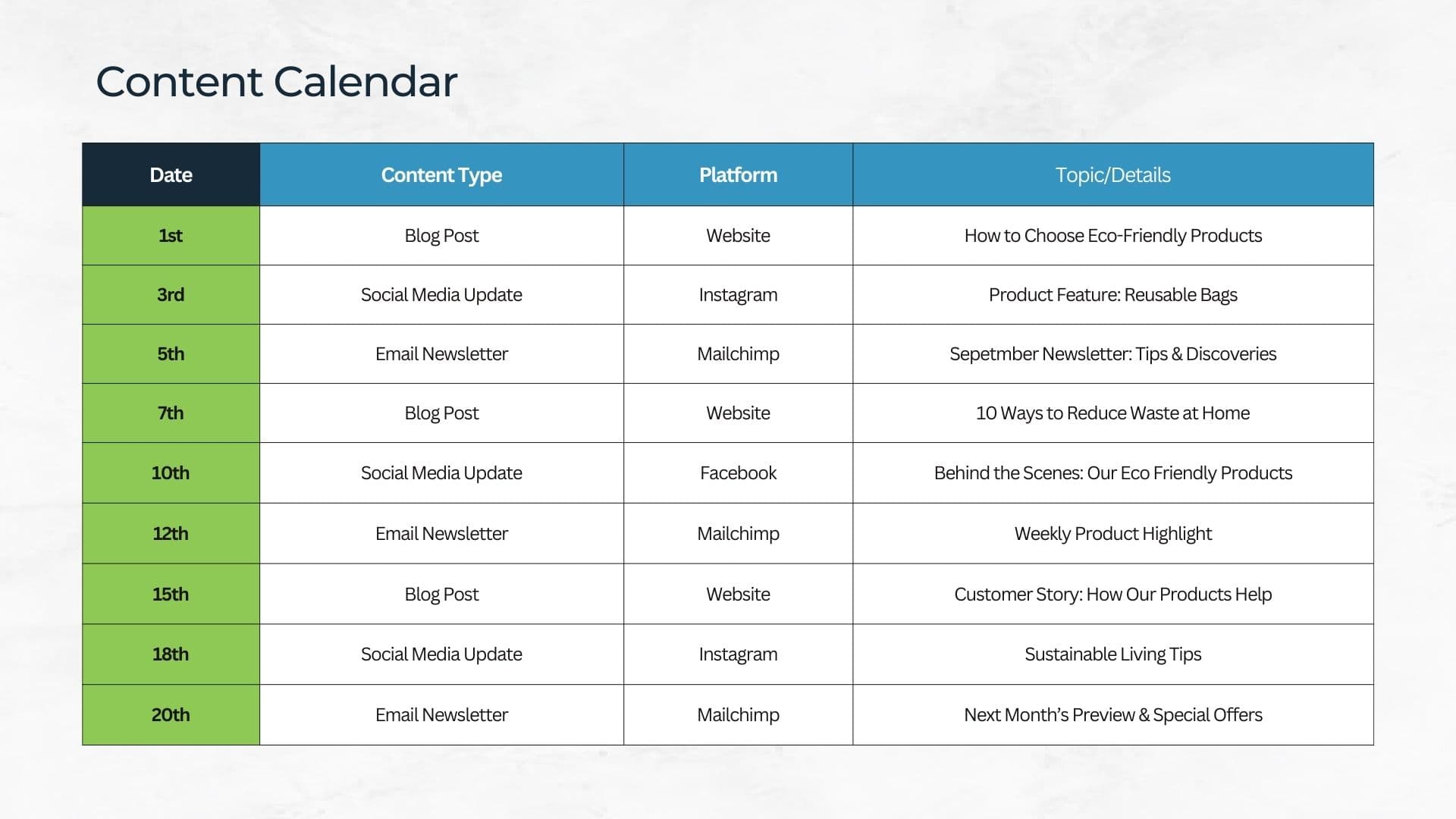
Without a clear plan, even the best ideas can fall short. A content calendar ensures your efforts are aligned with your business goals and delivered on time.
Key Steps for Effective Planning:
- Map content to your buyer’s journey (Awareness, Consideration, Decision).
- Use a content calendar to organise your publishing schedule.
- Identify seasonal trends or events to leverage timely opportunities.
Recommended Tools:
- Trello or Asana for scheduling and task management.
- BuzzSumo to identify trending topics and popular content ideas.
Step 3: Create Engaging Content
The execution stage is where your ideas come to life. Focus on originality, relevance, and storytelling to create content that captivates your audience.
Best Practices for Creating Engaging Content
- Tell a Story
- Integrate storytelling techniques to make your content memorable and emotionally resonant.
- Use Multimedia
- Enhance your content with videos, infographics, and interactive elements to boost engagement.
- Optimise for SEO
- Incorporate relevant keywords naturally into headlines, subheadings, and body text.
Example:
A blog post titled “5 Steps to Build a Winning Content Strategy” can include:
- A short introductory video.
- A downloadable content calendar template.
- Embedded case studies for added value.
Step 4: Review and Refine
Before hitting publish, ensure your content meets the highest standards of quality and relevance. Regularly reviewing past content also helps keep it evergreen.
Checklist for Reviewing Content
Proofread
✓ Use tools like Grammarly to eliminate errors
Fact-Check
✓ Verify all statistics and claims to maintain credibility.
Test Formats
✓ Experiment with headlines, visuals, and layouts to identify what works best.
Steps in the Storytelling in Marketing Creation Process

1. Research
Purpose: Gather audience insights, keywords, and industry trends.
Relevant Tools
Social Listening Tools (e.g., Brandwatch): Understand customer sentiment and feedback.
Google Analytics: Analyse audience behaviour and demographics.
BuzzSumo: Discover trending topics and popular content.
SEMrush / Ahrefs: Perform keyword research and competitor analysis.

2. Plan
Purpose: Organise content ideas and schedule their creation and distribution.
Relevant Tools
Google Calendar: Schedule content deadlines and key publishing dates.
Trello / Asana: Manage content calendars and assign tasks.
Notion: Consolidate brainstorming ideas and team notes.

3. Create
Purpose: Develop the content with creativity and alignment to the strategy.
Relevant Tools:
Final Cut Pro / CapCut: Edit videos for platforms like YouTube or Instagram.
Canva: Design visually appealing graphics, infographics, and social media posts.
Grammarly: Ensure error-free, polished text.
Adobe Creative Suite (Photoshop, Illustrator): Create high-quality images or videos.
Jasper AI: Generate ideas or initial drafts for content creation.

4. Review
Purpose: Proofread, fact-check, and refine content before publication.
Relevant Tools:
Feedback Tools (e.g., Google Docs / Notion Comments): Collaborate with team members for reviews and suggestions.
Grammarly: Check for spelling, grammar, and clarity issues.
Hemingway Editor: Optimise readability and structure.
Copyscape: Ensure originality by checking for plagiarism.

5. Publish
Purpose: Share the content across platforms and monitor initial responses.
Relevant Tools:
HubSpot: Manage content as part of a wider marketing strategy and track its performance.
WordPress / CMS Platforms: Publish blog posts or web content.
Hootsuite / Buffer: Schedule and post social media content.
Mailchimp: Distribute newsletters or email campaigns.

Distribution Done Right
Amplify Your Content’s Reach
Creating great content is only half the battle; distributing it effectively is what amplifies your reach. Recent trends show the growing importance of short-form video platforms like TikTok and Instagram Reels, which are powerful tools for connecting with audiences quickly and creatively. Leveraging storytelling in marketing through these social media platforms can significantly boost engagement.
Three Pillars of Content Distribution for Storytelling in Marketing
- Owned Channels
Your website, email newsletters, and social media profiles are key platforms to share stories that resonate with your audience.- Examples:
- Your website’s blog section for SEO-friendly articles.
- Email newsletters targeting segmented lists.
- Social media profiles like LinkedIn, Instagram, and Facebook.
- Why It Works: Owned channels build long-term relationships and foster trust.
- Examples:
- Earned Channels
Backlinks, shares, and mentions from other platforms can amplify your storytelling in marketing by reaching new audiences.- Examples:
- Guest blog posts or collaborative articles.
- Media coverage or influencer endorsements.
- Organic shares on social media.
- Why It Works: Earned media boosts credibility and extends your reach beyond your immediate audience.
- Examples:
- Paid Channels
Sponsored posts, PPC ads, and influencer collaborations offer a controlled way to distribute content while embedding your brand story.- Examples:
- Google Ads and social media promotions.
- Sponsored collaborations with influencers.
- Display ads targeting specific demographics.
- Why It Works: Paid channels offer precise targeting and faster amplification.
- Examples:
Repurpose to Maximise ROI
Great content deserves to be seen across multiple formats and platforms. Repurposing allows you to extend its life and reach new audiences.
- How to Repurpose Effectively:
- Turn a blog post into a series of social media posts with snippets of your storytelling.
- Summarise key points for a YouTube or Instagram Reel.
- Create Infographics.
- Highlight data from case studies or reports in a shareable format.
- Convert customer testimonials into shareable videos that emphasise authentic storytelling in marketing.
- Use insights or testimonials for social media graphics.
- Repurpose webinar content into a downloadable guide that highlights key narratives.
- Combine related blog posts into a downloadable guide.
- Turn a blog post into a series of social media posts with snippets of your storytelling.
Example: Transform a “Top 10 Tips” blog post into a carousel for LinkedIn and an email mini-series.
Tools to Streamline Distribution
- Hootsuite
- Schedule and monitor social media posts across platforms.
- Mailchimp
- Automate email campaigns for tailored content distribution.
- BuzzSumo
- Identify influencers and trending topics to enhance reach.
The Balance of Effort Across Content Distribution
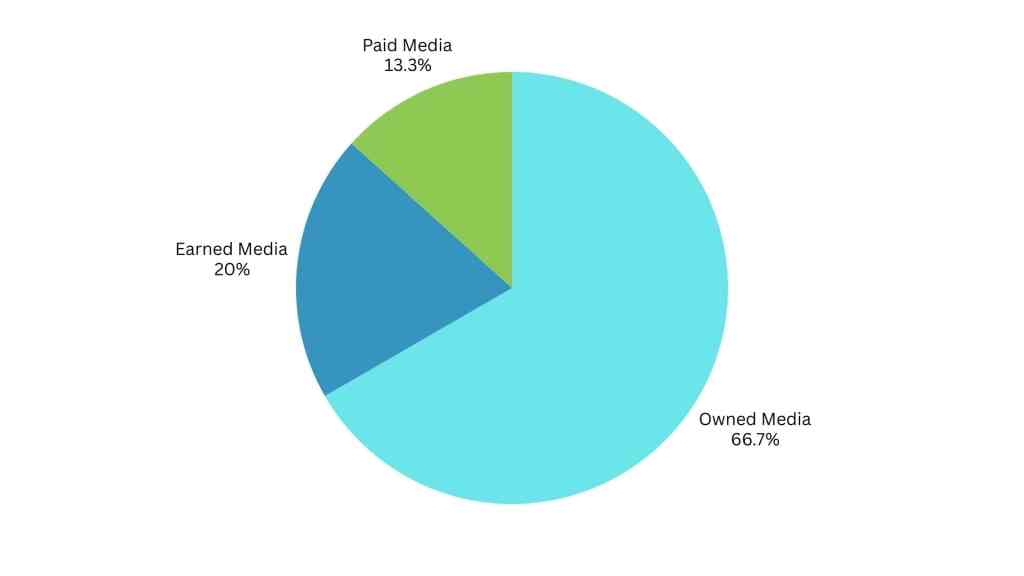
The distribution of effort across owned, earned, and paid media for content distribution varies depending on business goals, industry, and target audience. However, below are some typical percentages illustrating the balance:

Measuring Success
What Works and What Doesn’t?
Success in content marketing relies on tracking and analysing performance metrics. Real-time analytics tools and AI-based insights are transforming how marketers evaluate their strategies, providing instant feedback and predictive analytics to refine campaigns and drive better results. Tracking how storytelling in marketing impacts these metrics can provide deeper insights into audience behaviour.
Key Indicators Include:
1. Traffic
Use Google Analytics to monitor site visits and assess which storytelling approaches are driving the most visitors.
- How to Track
- Use tools like Google Analytics to monitor the number of visitors, page views, and sources (organic, social, paid).
- Focus Point
- Identify which content pieces drive the most traffic and analyse why they work.
2. Engagement
Track social media shares, likes, and comments to see how your audience is interacting with your narratives.
- Metrics to Monitor
- Social media likes, shares, comments, time on page, and bounce rates.
- Focus Point
- High engagement often indicates relevance and resonance with your audience.
3. Conversions
Measure how many leads or sales your content generates and identify how storytelling elements influenced decisions.
- Metrics to Track
- Form submissions, downloads, purchases, or any defined goal completions.
- Focus Point
- Track which CTAs or content types (e.g., blog posts, landing pages) yield the highest conversion rates.
Refining Content with A/B Testing
Experimentation is key to improving content performance. Use A/B testing to compare different versions of:
- Headlines
- Test variations to see which grabs more attention.
- CTAs
- Adjust wording, placement, or design to optimise conversions.
- Formats
- Evaluate audience preference for infographics, videos, or articles.
Top Tools for Measuring Success
- Google Analytics
- Monitor traffic, behaviour flow, and user demographics.
- HubSpot
- HubSpot for conversion analytics and attributing results to specific stories.
- SEMrush
- SEMrush for keyword tracking and analysing which stories rank highest.
- Crazy Egg
- Visualise user interaction with heatmaps and scroll maps.
- Hootsuite Insights
- Track social media engagement and identify high-performing posts.
Evergreen Measurement Tips
- Set clear KPIs (Key Performance Indicators) aligned with your business objectives.
- Regularly review performance to identify seasonal trends or shifts in audience behavior.
- Use data to refine your content calendar and prioritise high-impact topics.

Bringing It All Together
Your Content Creation & Storytelling Toolkit
Success in content creation and storytelling hinges on having the right tools and frameworks in place. Here’s how to bring all the pieces together:
- Content Creation Checklist
- Conduct audience research to identify pain points and preferences.
- Plan your content using a detailed calendar.
- Ensure every piece is optimised for SEO and storytelling impact.
- Recommended Tools
- HubSpot
- For managing your inbound marketing campaigns.
- Trello
- To organise content schedules and tasks.
- Canva
- To create visually compelling graphics and social posts.
- Grammarly
- For error-free, polished writing.
- HubSpot
- Templates for Efficiency:
- A ready-to-use content calendar template to organise topics, deadlines, and platforms.
- Storytelling frameworks to map out Relatability, Conflict, and Resolution for every piece.
Make Storytelling Your Marketing SuperPower
Storytelling isn’t just about marketing—it’s about making real, human connections. With the right approach, your stories can inspire trust, engage your audience, and help you achieve your goals. By understanding your audience and sharing authentic, relatable narratives, you’ll build a foundation that strengthens those relationships and drives success.
Every story you tell is a chance to connect, inspire, and make a difference. When you combine heartfelt storytelling with smart strategies, you reveal endless potential for growth.

Want to Make Your Brand’s Story Even More Impactful?
Read More

How to Promote Your Business Locally

Digital Marketing with AI, Innovation and Ecommerce

Client Segmentation – Understand Your Audience Like Never Before
