

Like many small business owners, we know that you wear multiple hats every day—juggling everything from product development to customer service. With so much on your plate, digital marketing can feel like just another task on a never-ending to-do list. But without a clear plan, your efforts might not deliver the results you need. This guide is designed specifically for small business owners like you, breaking down the process of creating a digital marketing plan into manageable steps that will save you time, reduce stress, and help your business thrive online.
Developing a strong digital marketing plan is essential for mapping out your brand’s online growth and ensuring all channels are aligned with your business objectives.
In this blog, we look at the 7 key steps to show you how to create your digital marketing plan.
- Step 1 – Clarifying Your Goals.
- Step 2 – Understanding Your Audience.
- Step 3 – SWOT Analysis.
- Step 4 – Choosing the Right Channels.
- Step 5 – Creating Your Content Strategy.
- Step 6 – Putting Your Digital Marketing Plan into Action.
- Step 7 – Monitoring and Adjusting.
Step 1: Clarifying Your Goals—Focusing on What Matters Most

As a small business owner, your time and resources are precious. Setting clear, focused goals for your digital marketing efforts ensures you’re spending your time where it matters most.
- Set SMART Goals Tailored to Your Business
- Think about what success looks like for your business. Do you want more foot traffic to your store? More online sales? More brand awareness in your local community? Setting Specific, Measurable, Achievable, Relevant, and Time-bound (SMART) goals helps you stay on track and measure your progress.
Step 2: Understanding Your Audience—Connecting with the Right People for Your Digital Marketing Plan

You know your customers better than anyone, but when it comes to digital marketing, it’s crucial to go even deeper. Understanding who your ideal customers are online will help you connect with them more effectively.
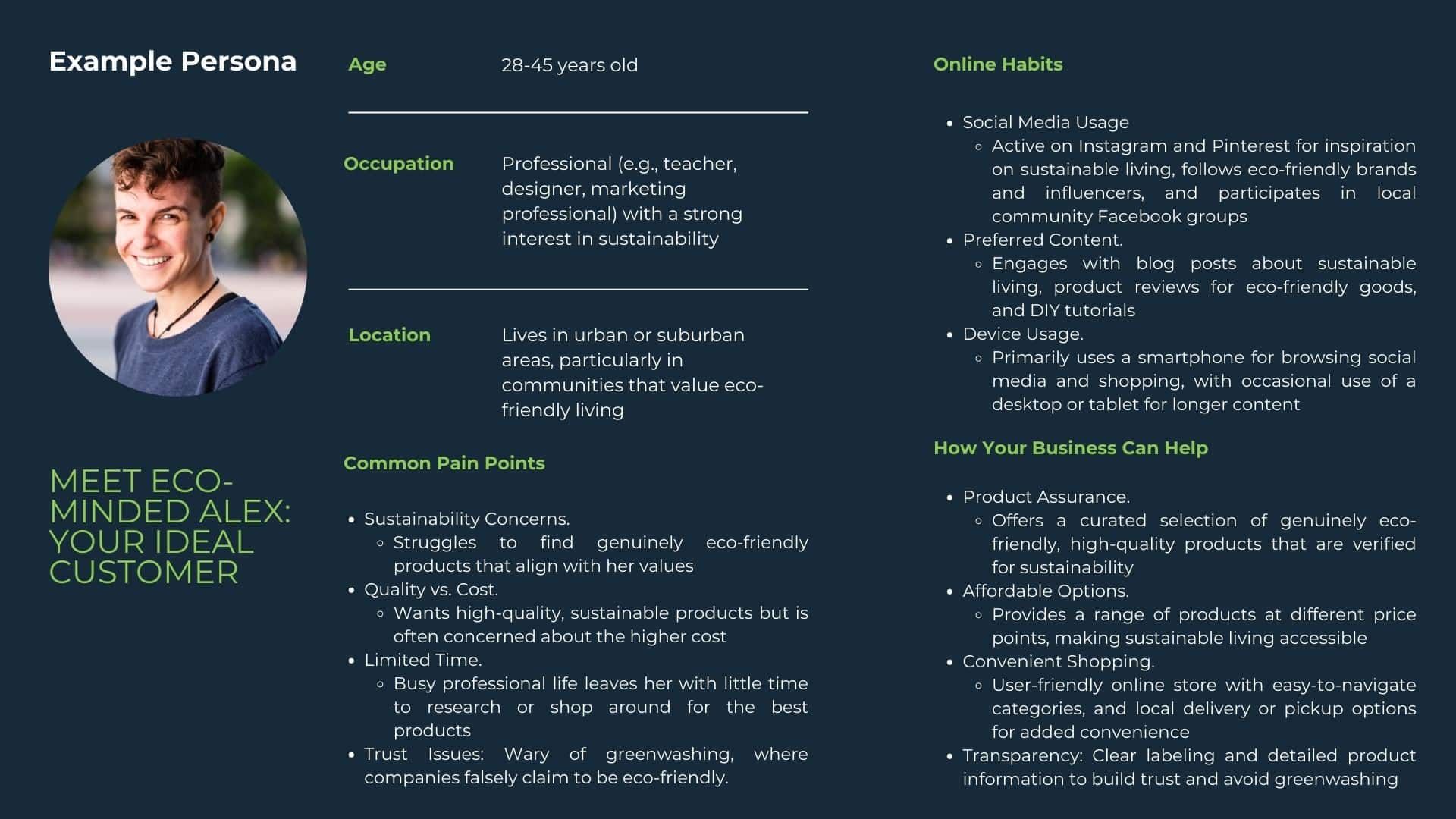
- Create Realistic Buyer Personas.
- Think about your best customers. What do they have in common? Where do they spend time online? What problems are they trying to solve? Building detailed personas helps you craft messages that speak directly to their needs.
Step 3: Analysing the Competition—Finding Your Unique Edge

It’s easy to feel overwhelmed by the competition, especially online. But by taking a closer look at what your competitors are doing, you can find ways to stand out and attract more customers to your business.
- Conduct a Simple SWOT Analysis.
- A SWOT analysis doesn’t have to be complicated. Identify your strengths (e.g., superior customer service), weaknesses (e.g., limited online presence), opportunities (e.g., untapped local SEO), and threats (e.g., larger competitors with bigger budgets). This will help you focus on what makes your business unique.
Step 4: Choosing the Right Channels—Maximising Your Impact
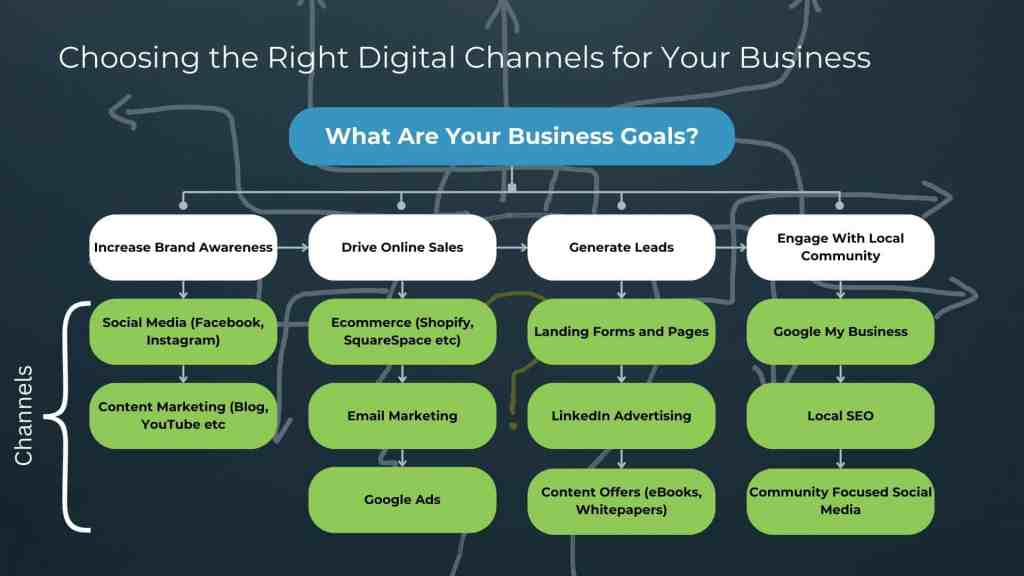
With limited time and resources, it’s important to focus on the digital channels that will give you the best return on your investment. You don’t need to be everywhere—just where it counts.
- Focus on the Channels That Work for You.
- If your customers are active on Facebook, that might be where you spend most of your time. If they’re more likely to respond to emails, prioritise building a strong email list. The key is to concentrate your efforts where they’ll have the most impact.
Step 5: Creating Your Content Strategy—Making Your Message Matter
A recent report states that 72% of marketers report that content marketing increases engagement and 63% say it increases the number of leads Content Marketing Institute.
But creating content can feel like a daunting task, especially if you’re not a natural writer or designer. But you don’t have to do it all at once. Start small, focus on what your customers care about, and build from there.
- Create Content That Speaks to Your Audience.
- Whether it’s a simple blog post about how to use your product, a quick video showing a behind-the-scenes look at your business, or an engaging social media post, your content should be about building relationships and providing value to your customers.
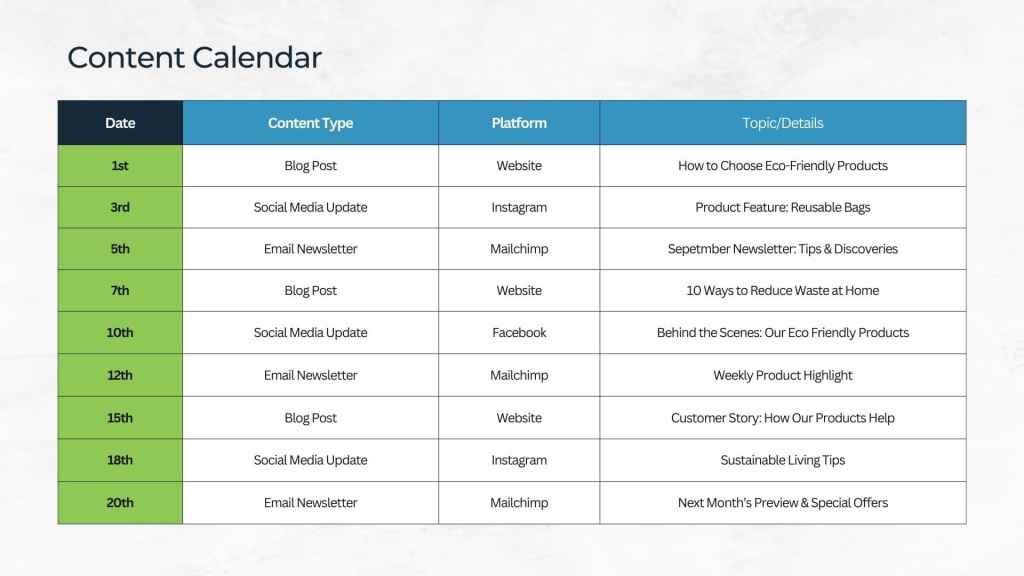
- Plan with a Content Calendar.
- Having a plan in place reduces the overwhelm. Use a simple content calendar to outline what you’re going to post, when, and on which platforms.
Step 6: Putting Your Plan into Action—Bringing It All Together
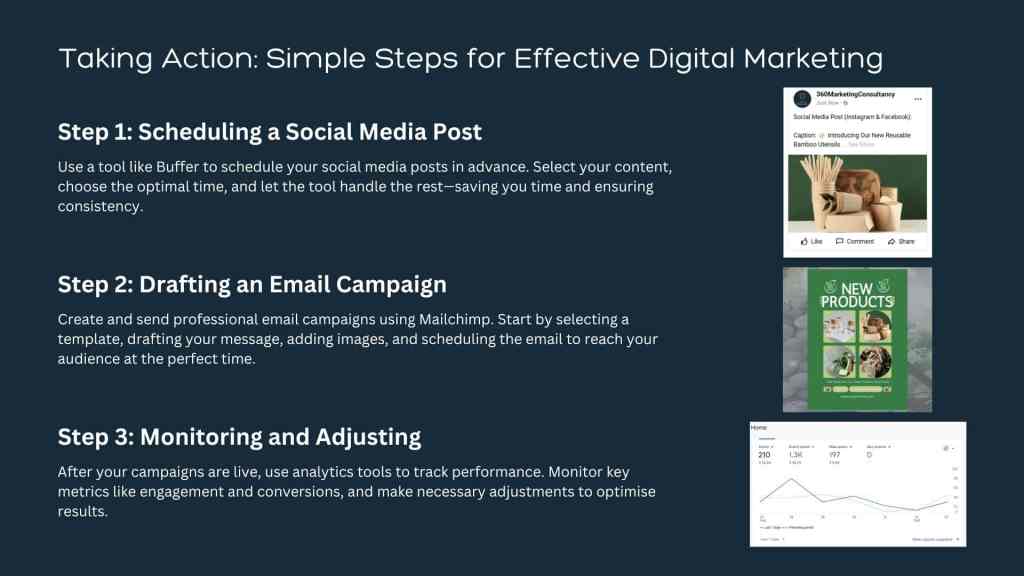
Now that you have a plan, it’s time to put it into action. This might be the most challenging step, but it’s also the most rewarding. Remember, you don’t have to do everything at once—take it one step at a time.
- Start Small and Build.
- If you’re feeling overwhelmed, start with one or two channels and get comfortable before expanding.
- Use tools and apps that make managing your digital marketing easier, such as scheduling tools for social media or email marketing platforms that automate your campaigns.
Step 7: Monitoring and Adjusting—Keeping Your Business on Track

The digital landscape is always changing, and what works today might not work tomorrow. Regularly reviewing your digital marketing performance ensures you’re staying on course and helps you make necessary adjustments to keep growing.
- Use Simple Analytics Tools.
- You don’t need to be a data expert to track your progress.
- Tools like Google Analytics or insights from your social media platforms can give you valuable information about what’s working and what’s not.
- Stay Flexible.
- If something isn’t working, don’t be afraid to change it. The beauty of digital marketing is that you can pivot quickly. Keep experimenting until you find what resonates best with your customers.
Conclusion
Building a digital marketing plan doesn’t have to be overwhelming or time-consuming. By breaking it down into these manageable steps, you can create a plan that aligns with your business goals, connects with your customers, and drives growth. Remember, it’s all about starting where you are, with what you have, and building from there. Every small step you take is a step toward a more successful, sustainable business.

Get in Touch
Request Your Free Marketing Review or Complete the Form Below to Arrange a Quick Call with One of Our Experts.
Read More
-
How to Promote Your Business Locally and Get More Customers
Introduction If you’re a local business looking to increase your leads, you’re not alone. Many small businesses face the challenge of standing out in their local markets and generating new customers. The good news is that there are effective strategies, both online and offline, that can help. From optimising your website for local SEO to…
-
Digital Marketing with AI, Innovation and Ecommerce Growth
Introduction to Digital Marketing with AI Have you ever wondered how digital marketing with AI and machine learning are changing the way we shop online? It’s no secret that technology has been transforming businesses, and eCommerce is no exception. Artificial Intelligence (AI) and Machine Learning (ML) are helping eCommerce stores deliver more personalised experiences, streamline…
-
Client Segmentation: Understand Your Audience Like Never Before
Introduction to Client Segmentation Understanding your audience is the key to creating meaningful, personalised marketing campaigns. But, ensuring your audience finds you is just as important as knowing who they are. This is where Search Engine Optimisation (SEO) can also make a huge difference. By optimising your website and content for search engines, you can…