
What are the Basics of Digital Marketing?
Digital marketing is a dynamic and ever-evolving field that uses online channels to promote products or services. According to the Digital Marketing Institute, the basics of digital marketing involves ‘ the use of new media or digital technology to achieve marketing and business goals’. A digital marketing strategy involves a mix of various channels to reach and engage with your target audience effectively.
5 Types of Digital Marketing
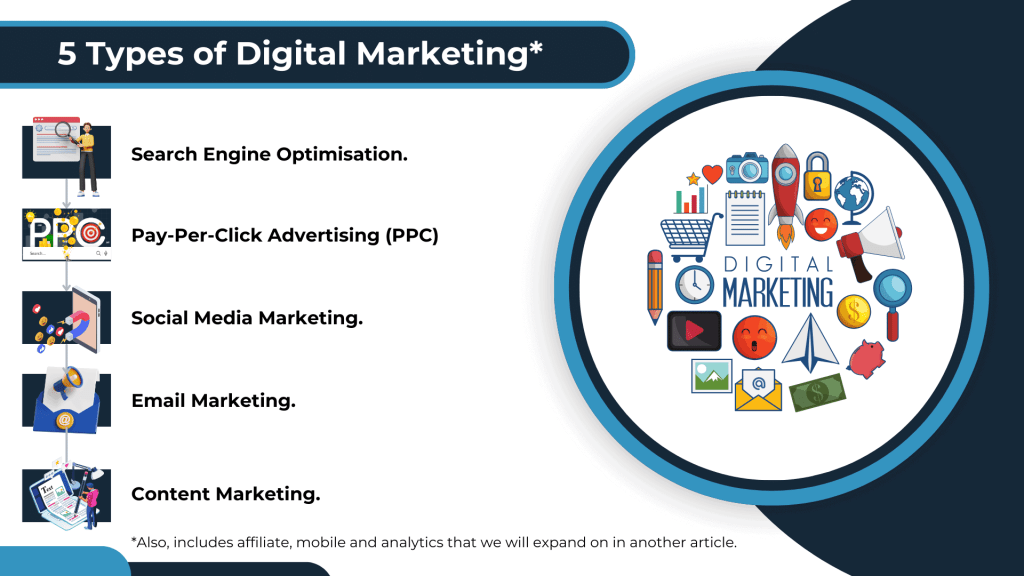
The first thing we want to do, as a digital marketing company, is to talk about the basics of digital marketing. These are the main topics that we will be looking at:
- Search Engine Optimisation.
- What is Search Engine Optimisation?
- What are the 4 Key Concepts of SEO in Digital Marketing?
- Keyword Research.
- What are Keywords in Digital Marketing?
- Why Keyword Research Matters?
- The Keyword Research Process.
- Tools for Keyword Research.
- Putting Keywords to Use.
- On Page Optimisation.
- What is On Page Optimsation?
- 8 Key Elements of On-Page Optimisation.
- Tools for On-Page Optimisation in Digital Marketing.
- Mobile Friendliness Matters.
- Regular Check-ins and Updates.
- Off Page Optimisation.
- What is Off Page Optimistion?
- 6 Key Elements of Off-Page Optimisation in Digital Marketing.
- The Basics of a Backlink Blueprint.
- How to Stay Social Media Savvy.
- Manager Your Reputation.
- Tools You Can Use For Off-Page Optimisation.
- Technical SEO.
- What is Technical SEO?
- 5 Key Elements of Technical SEO.
- What Other Factors Can Help To Improve Your Technical SEO?
- Tools for Mastering Technical SEO.
- Regular Maintenance.
- Keyword Research.
- Pay-Per-Click Advertising (PPC).
- What is PPC?
- Pay-Per-Click Platforms.
- What Are The 4 Basic Metrics You Should Be Tracking in PPC?
- Tools for PPC Success.
- Regular Tweaks and Updates
- Social Media Marketing.
- What is Social Media Marketing?
- Platforms for Social Media Marketing.
- What Should You Be Tracking on Social Media?
- Top Tools for Social Media.
- Regularly Update.
- Email Marketing.
- What is Email Marketing?
- Examples of Email Marketing Platforms.
- What Are The 3 Basics You Should Measure in Email Marketing?
- Tools for Email Marketing.
- Regular Rituals and Updates.
- Content Marketing.
- What is Content Marketing?
- Platforms for Publishing Your Content.
- How Do You Measure Your Content Marketing Strategy?
- Tools to Develop Your Content Marketing Strategy.
- Regular Monitoring.
- 6 Digital Marketing Best Practices.
- Digital Marketing Case Studies.
- The Basics of Digital Marketing – FAQs
There are a few other types of digital marketing, such as affiliate, mobile, and analytics. Although we won’t be talking about these in great detail here, you will find reference to them as we go along.
Search Engine Optimisation in Digital Marketing
Firstly, we talk about Search Engine Optimisation. While most of us have heard about SEO the reality is that not everyone understands what it actually means.
What is Search Engine Optimisation?
The definition of SEO is the practice of making your website the best it can be in terms of the information and experience that it provides to your visitors.
Consequently, the better these elements are, the more it will help your small business marketing goals but helping your site rank higher on the search engine results page (SERPs).
What are the 4 Key Concepts of SEO in Digital Marketing?

Keyword Research
Keyword research is a fundamental skill within digital marketing. Therefore, it’s something that you need to be doing whether you are a new business or a mature one. Understanding how to find the right keywords can significantly impact your online visibility. Let’s break this down in a way that’s easy to grasp.
What are Keywords in Digital Marketing?
To summarise, keywords are the words or phrases people type into search engines when they are looking for information. Therefore, they are the bridge connecting what users are looking for and what your content provides.
Why Keyword Research Matters?
- Visibility.
- Using relevant keywords helps your content appear in search engine results. This makes it visible to people who are searching for related topics.
- Traffic Quality.
- By using specific keywords you can reach visitors who are genuinely interested in your content. In turn, it increases the chances of a query or purchase.
- Content Alignment.
- Equally, choosing the right keywords ensures your content is in line with user intent. In other words, it gives them the information or answers they are looking for.
The Keyword Research Process
In order to include the right keywords for your business, you have to put together a list of words and phrases. As we’ve said before, these need to be in line with what you business service or products are. To do this properly requires some research. Here is a simple step-by-step process you can follow.

Brainstorming
Begin by jotting down topics related to your business. Again, think about terms your audience might use to find your products or services.
Expand with Tools
Use keyword research tools like Google Keyword Planner or SEMrush to make your list bigger. Additionally, these tools will also show you search volumes and related terms.
Long-Tail Keywords
Equally, pay attention to long-tail keywords. These are more extended, specific phrases rather than just one or two words. They may have lower search volumes, but they often indicate higher user intent.
Competitor Analysis
Look at what keywords your competitors are targeting. This can then spark ideas and reveal gaps in your strategy.
Searcher Intent
Furthermore, understand the intent behind the keywords. Is the user looking for information, trying to make a purchase, or seeking a specific service?
Volume and Competition
Have a balance of different search volumes and competition. High-volume keywords may be competitive, so include a mix of high and low competition keywords.
Tools for Keyword Research
- Google Keyword Planner.
- Provides search volume and keyword suggestions based on your initial ideas.
- SEMrush.
- Offers insights into your competitors’ keywords and helps you find new ones.
Putting Keywords to Use – The Basics of Digital Marketing
- Content Optimisation.
- Include your chosen keywords naturally in your content such as titles, headings, and throughout the body.
- URLs and Metadata.
- Again, by optimising URLs and meta descriptions with relevant keywords, you can help search engine to understand what your content is about.
- Regular Updates.
- Keep your keyword strategy up-to-date. Monitor changes in user behaviour and industry trends.
On Page Optimisation in SEO
Ultimately, this is where your content gets the makeover it deserves to shine brightly on search engine results pages. This can sound very technical but we’re here to break down the fundamentals in a way that’s easy to understand.
What is On-Page Optimisation?
On-page SEO optimisation is like the stylist for your web content. It involves tweaking and refining your pages to make them not only attractive to visitors but also irresistible to search engines.
8 Key Elements of On-Page Optimisation
- Titles.
- Meta Descriptions.
- Headings.
- Keywords.
- Image Optimisation.
- User-friendly URLs.
- Content Quality.
- Internal and External Links.
Captivating Titles
Create titles that include your target keyword but will also encourage visitors to find out more. Think of it as a headline that makes people want to click.
Meta Descriptions
Meta descriptions are the snippets beneath the title in search results. By making them concise, engaging, and relevant you can encourage more clicks.
Order Your Headings Properly
Structure your content with clear headings (H1, H2, H3, etc.). Similar to organising a book – it helps readers and search engines understand what way your content should flow.
Keywords
As we mentioned, your target keyword should appear naturally throughout your content. It’s like seasoning – just enough for flavour, not too much to overpower.
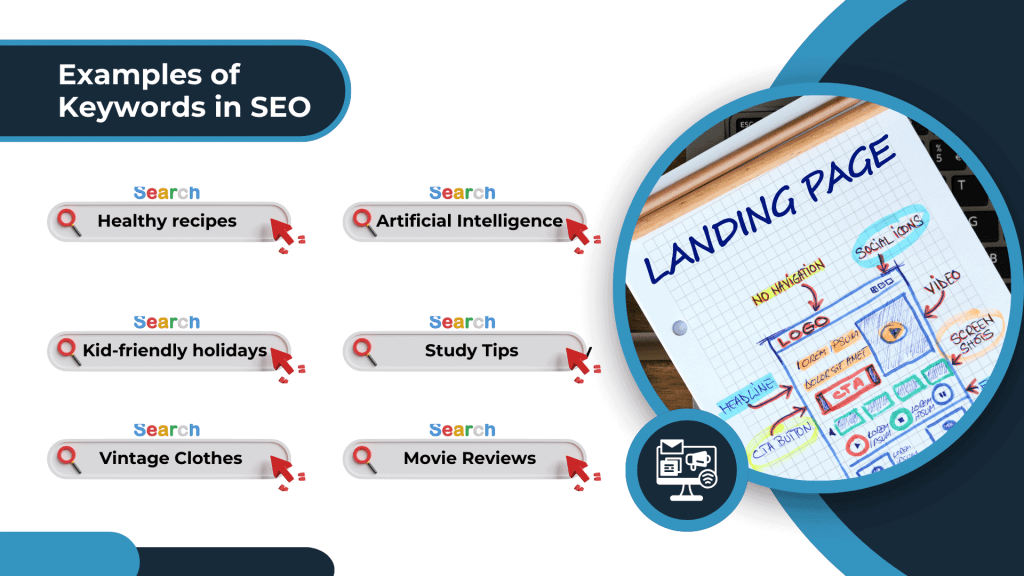
Image Optimisation
Images are the eye candy of your page. Optimise them by adding descriptive alt text and compressing file sizes for faster page loading.
User-friendly URLs
Create clean, concise URLs that give users and search engines a hint about your page’s content. Think of it as the address to your online home.
Pay-Per-Click Advertising (PPC).
High-quality content is king. Provide value, answer questions, and engage your audience. Quality content keeps visitors coming back.
Internal and External Links
Link to other relevant pages on your site (internal links) and credible external sources. Therefore, connecting information.
Tools for On-Page Optimisation – Basics of Digital Marketing
- Yoast SEO (for WordPress).
- A user-friendly plugin that guides you through on-page optimisation.
- AIl in One SEO.
- Another plugin that provides suggestions on local SEO, linking and redirections.
- Google PageSpeed Insights.
- Check and improve your page speed for a better user experience.
- Grammarly.
- Ensure your content is not only optimised for search engines but also reads well for your audience.
Mobile Friendliness Matters
Also, remember that your site should have a responsive design. This means ensuring it can work seamlessly on various devices. A mobile-friendly site is a must for today’s audience.
Regular Check-ins and Updates
- Stay Informed.
- Keep an eye on industry trends and search engine updates. What works today might need a slight tweak tomorrow.
- Analytics Insight.
- Use tools like Google Analytics to understand how users interact with your content. Adjust your strategy based on what works.
Off Page Optimisation
This is the grand stage where your website earns its reputation and authority beyond your site. Fear not, as we embark on a journey to understand these fundamentals in a way that feels like a breeze.
First, we begin by understanding what Off Page Optimisation means.
What is Off-Page Optimisation?
In summary, this method involves actions taken outside your website to boost its credibility, authority, and overall online presence.
6 Key Elements of Off-Page Optimisation in Digital Marketing
- Backlinks.
- Social Signals.
- Influencers Impact.
- Brand Mentions.
- Guest Post Power.
- Online Reviews and Testimonials.
Backlinks
Backlinks are the endorsements of the digital world. Earn links from reputable websites, as they act as votes of confidence in your content.
Social Signals
Engage on social media and emerging platforms. Likes, shares, and comments are not just social currency; they’re signals that your content is valuable.
Influencers
Collaborate with influencers in your niche. Their endorsement can introduce your brand to a wider audience.
Brand Mentions
Even without a link, brand mentions contribute to your online presence. Monitor and encourage positive mentions.
Guest Posts
Write guest posts for reputable sites. It’s like getting a VIP pass to another venue where your expertise gets showcased.
Online Reviews
Encourage and manage online reviews. Positive reviews build trust and credibility.
The Basics of a Backlink Digital Marketing Blueprint
- Quality over Quantity.
- Focus on earning high-quality backlinks from authoritative websites. One good link can outweigh dozens of average ones.
- Diverse Link Profiles.
- Aim for a diverse range of links. Not just from blogs but also from news sites, directories, and industry-specific platforms.
- Anchor Text.
- Anchor text is the clickable text in a hyperlink. Make sure that it’s relevant and descriptive therefore. As this helps search engines understand the context.
How to Stay Social Media Savvy
- Engagement Excellence.
- Actively engage with your audience on social media.
- Respond to comments, share valuable content, and foster a sense of community.
- Social Platform Diversity.
- Don’t put all your eggs in one social media basket. Be present on multiple platforms where your audience hangs out.
- But also be mindful of your own resources and what you have time for.
Managing Your Reputation
- Monitor Brand Mentions.
- Use tools like Google Alerts or Mention to keep tabs on when and where your brand is mentioned.
- Respond to Feedback.
- Whether positive or negative, respond to feedback graciously. It shows that you value your audience’s opinions.
Tools You Can Use For Off-Page Optimisation
- Ahrefs.
- Analyse your backlink profile and keep an eye on your competitors.
- BuzzSumo.
- Identify trending topics and influencers in your industry.
Off Page Optimisation is Always Evolving in Digital Marketing
Because things are constantly moving, we advise staying up-to-date with what’s going on. Therefore, we recommend that you:
Staying Updated
- The digital landscape is ever-changing. Stay informed about industry trends and search engine algorithms.
Adapting and Thriving
- Always be ready to adapt your off-page optimisation strategy. What works today may need adjustments tomorrow.
Technical SEO in Digital Marketing
Technical SEO is where the magic happens behind the scenes. This ensures your website not only looks good but performs like a digital superhero.
The information can feel overwhelming but, don’t worry, we describe this in a language that feels like a friendly conversation.
What is Technical SEO?
Imagine technical SEO as the invisible caretaker of your website, making sure it’s healthy, fast, and loved by search engines. It’s the backstage crew that ensures everything runs smoothly.
5 Key Elements of Technical SEO
- Site Speed.
- Mobile Friendly.
- Crawlability.
- XML Sitemap.
- Robots.txt
Site Speed in Technical SEO
Fast-loading pages are the superheroes of the internet. Optimise images, leverage browser caching, and consider a Content Delivery Network (CDN) for lightning-fast performance.
Mobile Friendly
In the age of smartphones, your website must be mobile-friendly. Responsive design ensures your content looks good and functions seamlessly across devices.
Crawlability
Search engines send little bots (crawlers) to explore your website. Make sure your site structure is easy to crawl, like a well-lit path through a magical forest.
XML Sitemap
Think of an XML sitemap as a map for search engines. It tells them where to find all your valuable content.
Robots.txt
Guide the crawlers with a robots.txt file. It’s like telling them which rooms are open for exploration and which are off-limits.
What Other Factors Can Help To Improve Your Technical SEO?
HTTPS
Embrace the magic of HTTPS. It not only secures data transmission but also boosts your search engine ranking.
URL Structure
Create URLs that are simple, descriptive, and user-friendly. Because this gives your audience clear directions as to what information they can expect.
Canonical Tags
Implement canonical tags to avoid the evil twin of SEO – duplicate content. These tags tell search engines which version is the original.
Rich Snippets – Enhance Your Visibility.
Markup your content with schema.org to create rich snippets. It’s like adding extra sparkles to your search engine listing, making it more clickable.
Tools for Mastering Technical SEO
- Google PageSpeed Insights.
- Uncover insights into your page speed and receive suggestions for improvement.
- Google Search Console
- Your direct line to Google. Monitor how your site is performing in search results and fix issues.
Regular Maintenance
- Regular Audits
- Conduct regular SEO audits to give your website a health check-up.
- Stay Informed
- Keep an eye on SEO blogs and industry updates to stay ahead of the changes.
The Fundamentals of Pay-Per-Click (PPC) in Digital Marketing
Here, we introduce you to the exciting world of PPC advertising, where you get to be the maestro orchestrating a digital symphony of clicks and conversions.
Let’s dive into the world of PPC in a way that should feel like a friendly chat at your favourite coffee shop.
What is PPC?
Picture this: you’re in a magical marketplace, and instead of paying for a booth, you pay a small fee every time someone clicks on your shop sign. That’s PPC – Pay-Per-Click advertising, in a nutshell.

Keywords
The first stage in PPC is based on keywords. These are the words that, when chosen wisely, bring your ads to life.
Ad Copy
Your ad copy is like a spell incantation. Keep it clear, compelling, and, most importantly, relevant to what your audience is searching for.
Bid Management
Think of bidding as a friendly auction. First, you decide how much you’re willing to pay for a click. Then, work out the budget you want to spend.
Landing Pages
Your landing page is where the magic truly happens. Ensure it’s aligned with your ad, easy to navigate, and has a clear a call to action.
Pay-Per-Click Platforms
- Google Ads.
- The grand master of PPC. Your ads appear on the search results page when people search for keywords you’ve chosen.
- Bing Ads.
- Google’s friendly cousin. It may have a smaller audience, but it’s often less competitive and can yield great results.
- Social Media.
- Platforms like Facebook, Instagram, and Twitter offer their own PPC opportunities. Target your ads based on interests, demographics, and behaviours.
What Are The 4 Basic Metrics You Should Be Tracking in PPC?
- Click-Through Rate (CTR).
- Cost Per Click (CPC).
- Conversion Rate.
- Quality Score.
Click-Through-Rate
The percentage of people who click on your ad after seeing it. Aim for a high CTR – it’s like the applause after a magical performance.
Cost Per Click
The amount you pay for each click. Keep it reasonable, and your budget will stretch like magic.
Conversion Rate
This is the percentage of people who take the desired action, whether it’s making a purchase or filling out a form.
Quality Score
This is Google’s way of rating your ads’ quality and relevance. The higher the score, the more your budget can do.
Tools for PPC Success
- Google Keyword Planner.
- Your spellbook for finding the best keywords. Discover what your audience is searching for.
- Ad Preview and Diagnosis.
- Check how your ads appear in different locations and troubleshoot issues.
Regular Tweaks and Updates
- Stay on Top of Trends
- As we’ve said already, keep an eye on emerging trends and adjust your strategy accordingly.
- A/B Testing.
- Experiment with different ad copies, keywords, and images. Trying out different options will let you see which one works best.
The Fundamentals of Social Media in Digital Marketing
Social media marketing is where you get to be the storyteller, the entertainer, and the connector. Imagine social media as a magical marketplace where conversations bloom, and your brand gets to join the party. Let’s unravel the fundamentals.
What is Social Media Marketing?
Think of social media marketing as a grand celebration where you showcase your brand’s personality, connect with your audience, and spread joy through captivating content.

Social Media Platforms
Each social media platform is like a unique land with its own customs and language. Choose platforms wisely based on where your audience likes to gather.
Captivating Content
Create content that resonates with your audience. It could be stories, images, videos, or a mix of magical formats. Make it shareable and worth talking about.
Consistency
Regularly sprinkle your magic across platforms. Consistency builds trust, like meeting a friend at your favourite spot every week.
Engagement
Engage with your audience. Respond to comments, ask questions, and join conversations. It’s like being the life of the party.
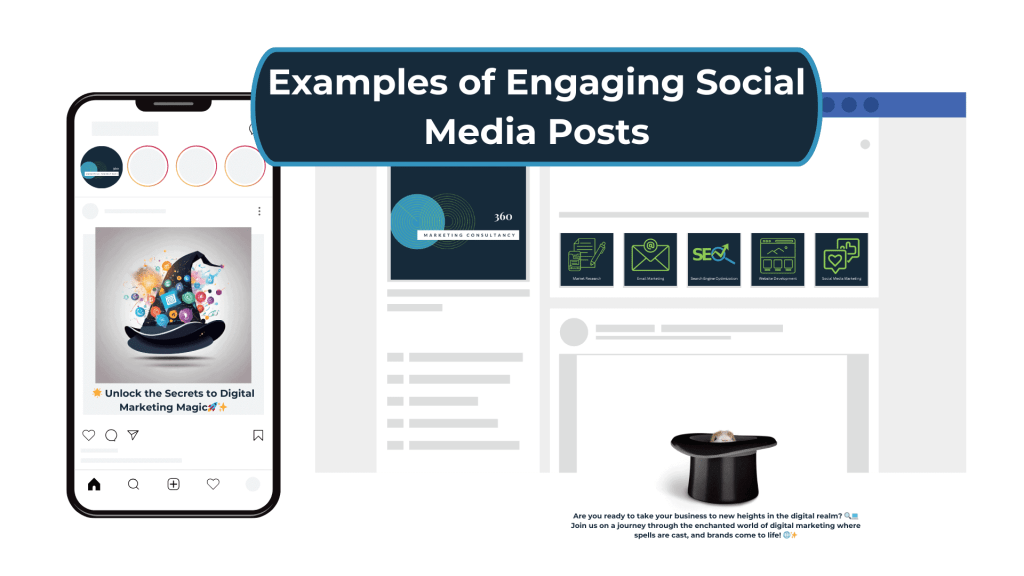
Platforms for Social Media Marketing
- Facebook.
- Perfect for community-building and sharing diverse content.
- Instagram.
- Ideal for stunning images, behind-the-scenes glimpses, and storytelling through visuals.
- TikTok.
- Captivates users with its short-form videos, fostering creativity, trends, and a vibrant global community.
- Twitter.
- Great for quick updates, sharing news, and joining trending conversations.
- Linkedin.
- Showcase your professional side and build industry connections.
What Metrics Should You Be Tracking on Social Media?
- Reach and Impressions.
- Reach is like the number of people who walked by your magical booth, and impressions are the number of times they glanced at it.
- Engagement Spells.
- Likes, comments, shares – these are the spells that show your content is resonating. The more engagement, the more magical influence.
- Follower Growth
- Watch your audience grow like a flourishing garden. More followers mean more people eager to hear your stories.
Top Tools for Social Media
- Buffer and Hootsuite
- Your magical wands for scheduling posts across platforms. Plan ahead and let the magic unfold.
- Canva
- A potion for creating stunning visuals. No need to be an artist; Canva has your back.
Regularly Update
- Stay In the Loop.
- Social media trends are like magical currents. Stay informed and ride the waves.
- Analytics Alchemy:
- Dive into platform analytics. Understand what works, what doesn’t, and adjust your strategy accordingly.
The Fundamentals of Emails in Digital Marketing
Think of email as your personal owl, delivering messages directly to your customers’ doorsteps. Let’s start with defining what email marketing is.
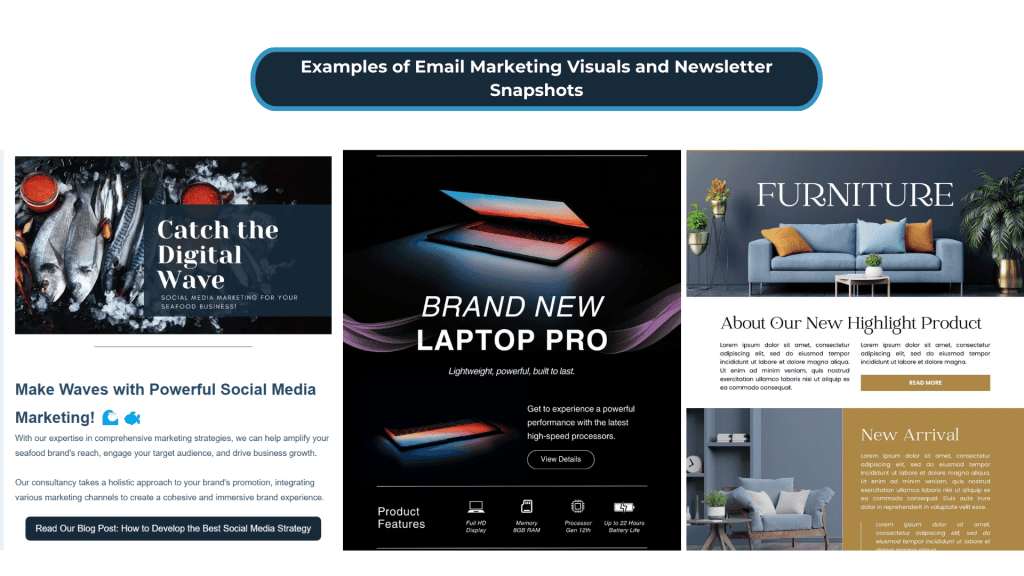
What is Email Marketing?
Now we come to email marketing. Imagine it’s like a magical scroll you send out to your audience. It’s not just about selling. It’s about building relationships and sharing stories. As well as keeping your brand in the hearts and minds of your customers.
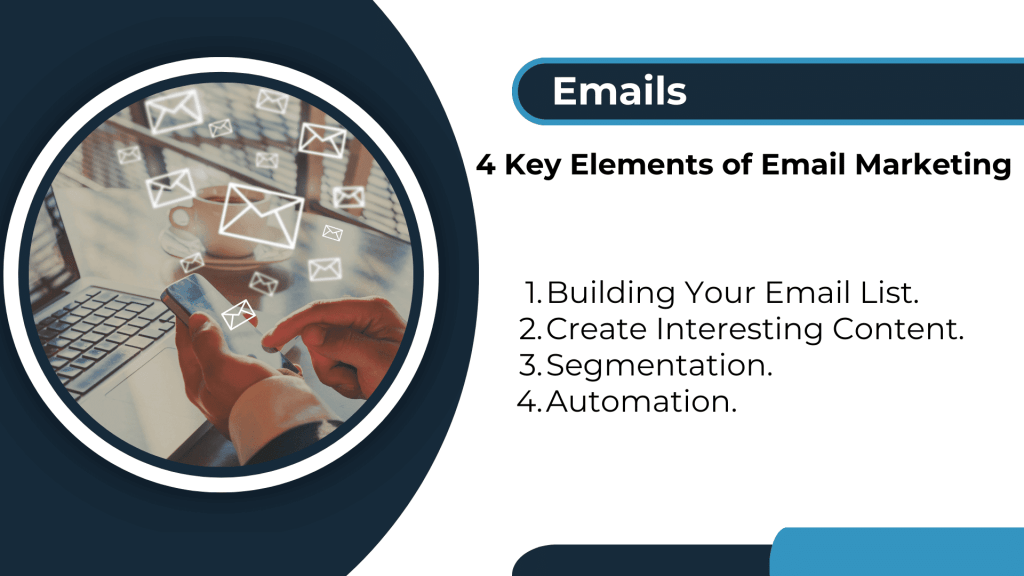
Building Your Email List
Your email list is similar to a guest list. Nurture it with care, offering incentives and valuable content to entice visitors to join.
Content
Make your emails engaging, valuable, and personalised. From captivating subject lines to appealing visuals, every element matters.
Segmentation
Divide your audience into segments based on their preferences and behaviours. Then tailor your emails so that each one segments gets exactly what they need.
Automation
Set up automated workflows. This should perform like an assistant who sends birthday wishes, welcomes new subscribers, and guides customers through their journey.
Examples of Email Marketing Platforms
- Mailchimp.
- A friendly email marketing tool for beginners. Easy to use, with powerful features for creating and managing email campaigns.
- Constant Contact.
- A magical potion for small businesses. It offers easy-to-use templates and robust marketing tools.
What Are The 3 Basics You Should Measure in Email Marketing?
- Open Rate.
- Firstly, it’s useful to know the number of people who opened your email. A high open rate means your subject line worked like a charm.
- Click-Through Rate (CTR)
- Secondly, the percentage of recipients who clicked on links within your email. The more clicks, the more magical influence your content has.
- Conversion.
- Lastly, seeing how many recipients turn into customers. Track the number of people who took the action you want after receiving your email.
Tools for Email Marketing
- Mailchimp, Constant Contact, and Sendinblue.
- Trusted for creating, sending, and tracking emails in your digital marketing campaigns.
- Canva:
- A magical canvas for creating visually stunning email graphics. No design skills required.
Regular Rituals and Updates
- Stay In the Loop.
- Keep an eye on email marketing trends. What worked magically last year might need a tweak for this season.
- Testing Tales:
- Experiment with different subject lines, content formats, and send times. It’s like being an email alchemist, finding the perfect combination.
The Fundamentals of Content in Digital Marketing
Content marketing is where words, visuals, and stories dance together to captivate your audience. Let’s unravel the fundamentals of content marketing, making it accessible to your business.
What is Content Marketing?
It’s the art of creating and spreading valuable, relevant content to attract and engage your audience. Think of it as your storybook, filled with tales that resonate with your audience.
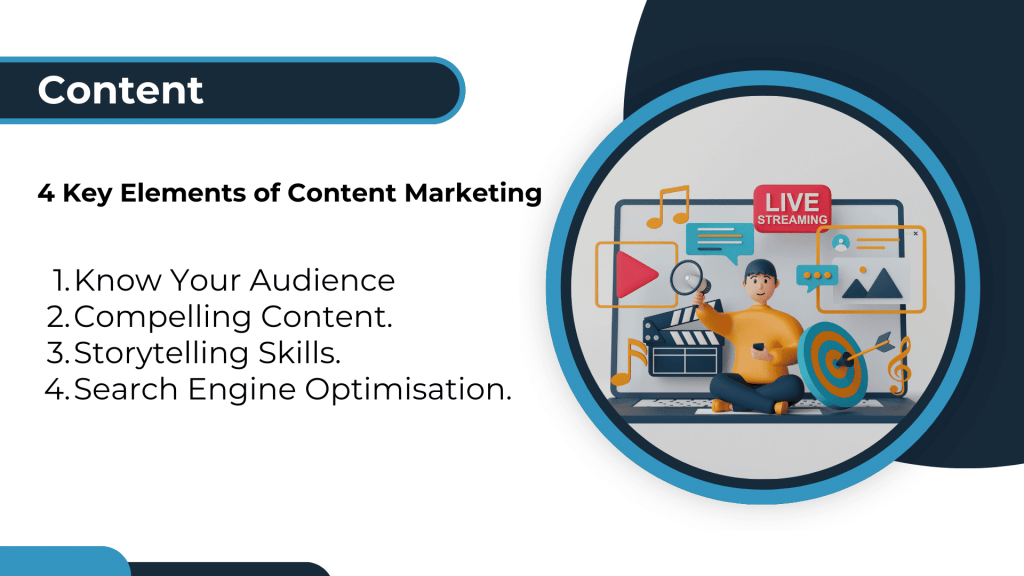
Knowing Your Audience
Your audience is like the characters in your story. Understand them deeply – their desires, challenges, and aspirations. Equally, tailor your content to speak directly to them.
Compelling Content
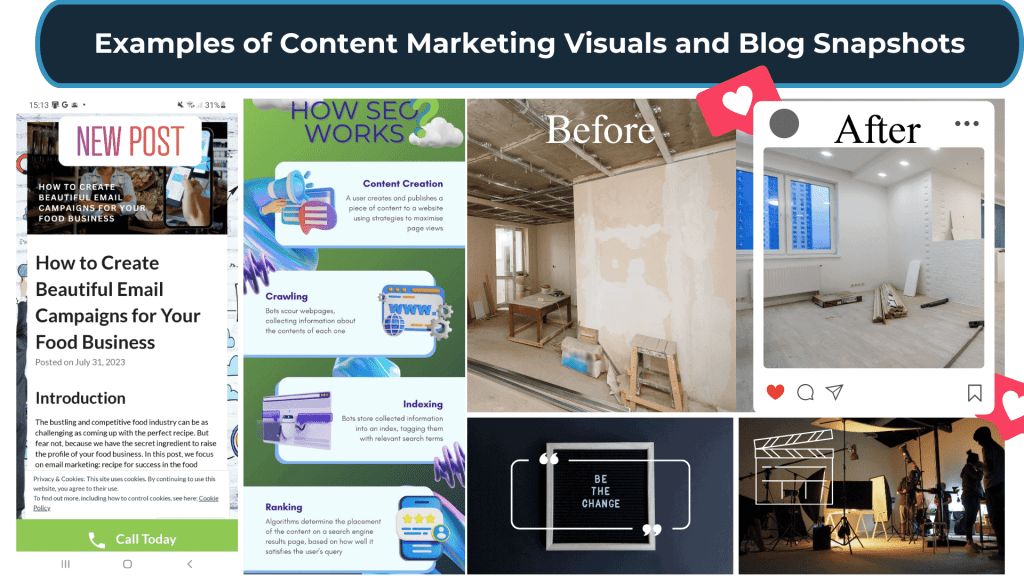
Whether it’s blog posts, videos, infographics, or social media updates, make it compelling, valuable, and aligned with your brand’s personality.
Storytelling Skills
Every brand has a story to tell. Share yours through your content. Likewise, engage with your audience through narratives that are emotional and that connect with people.
Search Engine Optimisation
As we’ve said already, integrate SEO into your content softly. Use relevant keywords and create interesting meta descriptions. Also, optimise for search engines without compromising the magic of your narrative.
Platforms for Publishing Your Content
- Blogs.
- Blog posts should be rich with knowledge and stories. Share insights, answer questions, and establish your brand as an authority.
- Social Media
- Social media platforms are your visual canvases. Use captivating images, videos, and infographics to tell your story and connect with your audience.
- E-books
- E-books are there to be filled with in-depth knowledge. Offer them as a gift to your audience in exchange for their loyalty.
How Do You Measure Your Content Marketing Strategy?
- Engagement.
- Measure likes, shares, comments, and other forms of engagement. The more engagement, the more your content resonates with your audience.
- Conversion.
- Track how your content contributes to conversions. It could be signing up for newsletters, downloading resources, or making a purchase.
- Audience.
- Understand your audience’s behaviour. Analyse metrics like time spent on pages, bounce rates, and demographics to refine your magical strategy.
Tools to Develop Your Content Marketing Strategy
- WordPress, WIX, Square Space.
- These are all great for creating and managing blogs and websites.
- Canva and Adobe Spark.
- Magic brushes for creating visually stunning graphics without the need for design expertise.
- Google Analytics.
- Your magical crystal ball for understanding how your audience interacts with your content.
Regular Monitoring
- Stay Informed about Trends.
- The digital landscape is ever-changing. Stay updated on industry trends, emerging content formats, and the shifting preferences of your audience.
- A/B Testing Adventures:
- Experiment with different content formats, headlines, and posting times. It’s like trying out different potions to see which one works best.
6 Digital Marketing Best Practices
In summary, there are 6 key practices that will help to make your digital marketing a success. We’ve listed them below.

Define Your Audience
To begin with, clearly identify your target audience to set the stage for effective digital campaigns. Then, tailor your strategies to resonate with the specific needs and preferences of your audience.
Set Clear Goals
At the same time, it’s important to set clear and measurable goals. It doesn’t matter whether these are for boosting website traffic, increasing conversions, or enhancing brand awareness. Fundamentally, these goals provide a roadmap for your digital journey.
Mobile Optimisation
Moreover, with the rise of mobile users, ensuring your website and content are optimised for various devices is crucial. This enhances user experience. It also caters to the preferences of an ever-mobile audience.
Consistent Branding
Furthermore, maintaining a consistent brand image across all digital channels is like a digital signature. It fosters brand recognition and builds trust among your audience.
Data and Analytics
Additionally, using analytics tools to track and measure performance is the guide for digital marketing. Regularly analyse data insights to refine strategies, adapting to the evolving digital landscape.
Stay Updated
As we’ve discussed, the digital landscape evolves rapidly. Stay informed about industry trends, algorithm updates, and new technologies.

Conclusion
In conclusion, digital marketing is a multifaceted discipline that requires a strategic approach. As we’ve explained, the basics of this include SEO, PPC, social media, email marketing, and content marketing. Only by understanding these can your business establish a strong online presence and strike a chord with your target audience. Finally, don’t forget to regularly analyse and adapt your strategies based on data and industry trends to stay ahead in the competitive digital landscape.
Good luck!
Digital Marketing Case Studies
From Zero to Hero, How New Jewellery Entrant Attracted Customers and Generated Sales

New product diversification opportunities with market research. Exploring supply chain, industry and consumer trends.

See a selection of other businesses that we have supported through tailored marketing solutions.
Digital Marketing Frequently Asked Questions
Still have more questions about Digital Marketing? We’ve listed common questions and their answers below.
What does a Digital Marketing Agency Do?
A digital marketing agency helps your business promote products or services online. They offer various strategies and tactics to improve your online presence and reach your marketing goals.
How Much Does a Digital Marketing Agency Cost?
The cost of hiring a digital marketing agency depends on many things. It includes where the agency is, their skills, services, and the size of the project. Generally, it can be anywhere from about €50 per hour to several thousand per month. It’s best to talk about your needs and decide your budget.
Why Do I Need Digital Marketing?
In today’s world, digital marketing is crucial for businesses. It helps you reach more people, connect with customers, understand market trends, and stay competitive.