
Using audience segmentation to create more relevant, effective marketing
Customers expect more than just good products. They want experiences tailored to their needs and preferences. Brands that are geared towards audience segmentation for personalisation build stronger connections, driving engagement and loyalty.
Using data-driven segmentation techniques can transform how you reach and engage with your audience. But it’s not enough to just create segmented campaigns—you need them to be visible online. This is where SEO comes into play. By optimising your content for search engines, you ensure that the right people can find it. Learn more about our SEO services.
By breaking your audience into specific groups based on data—like behaviours, demographics, and interests—you can create personalised marketing strategies that speak directly to what each segment cares about. This approach helps ensure your messages feel relevant and timely, whether you’re sending an email, creating a social media post, or launching a targeted ad campaign.
In this post, we’ll explore how to use customer segmentation for personalised campaigns that drive real results. We’ll cover the best ways to gather data, and develop data-driven audience segmentation and personalised content that engages your audience more effectively. Get ready to transform your marketing with segmentation and personalisation techniques designed to boost engagement and conversions.
What is Audience Segmentation for Personalisation and Why is it Essential for Personalisation?
Defining How to Break Down Your Audience
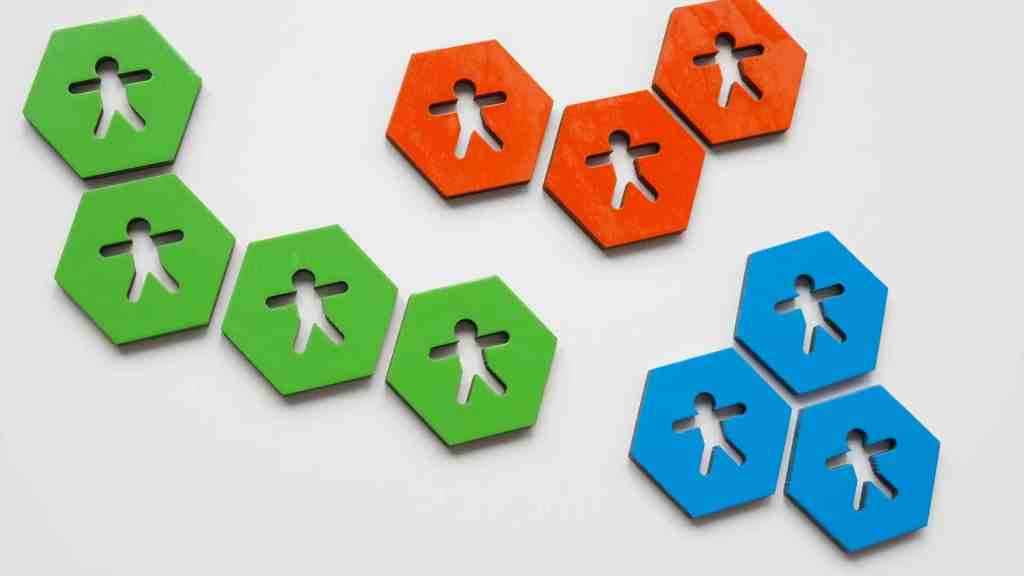
Audience segmentation is the process of dividing your broader customer base into smaller, more manageable groups. These groups, or segments, are created based on shared characteristics, such as demographics, behaviours, interests, or purchasing habits. Rather than treating your entire audience as one whole group, segmentation allows you to get specific. It helps you understand the unique traits of each segment, which in turn helps you create marketing that speaks directly to their needs.
For example, you may find that one segment of your audience is tech-savvy millennials who frequently shop online, while another segment consists of retirees who prefer in-store shopping. By segmenting your audience and learning how to create a buyer persona, you can tailor your messaging, content, and offers to suit each group, leading to more impactful marketing.
The Importance of Delivering Relevant Messages to the Right People
Personalised marketing thrives on relevance, and audience segmentation for personalisation is the best way to achieve it. Segmentation helps businesses move away from catch-all messaging and instead deliver highly targeted campaigns that feel personal to each customer group.
When you understand your audience segments, you can create content and offers that align with what each group is looking for. This improves engagement because people are more likely to interact with content that resonates with them. It’s not just about pushing products—it’s about delivering value. By using segmentation and personalisation techniques, you can increase the relevance of your marketing, making your audience feel understood and catered to.
For businesses, this means higher open rates, better click-through rates, and ultimately, more conversions. When you target the right message to the right segment, you’re not only improving engagement but also building trust and loyalty over time.
Why SEO is Critical for Personalisation
Personalisation is about more than creating great content—it’s about making sure your audience can find that content. SEO allows you to optimise each piece of content to match the search intent of different audience segments, improving both visibility and engagement. Check out our Client Segmentation Page to see how segmentation and SEO work together.
How Audience Segmentation Leads to Personalisation
Tailoring Content to Fit Each Audience Segment for Personalisation
One of the biggest advantages of of knowing how to use audience segmentation for personalisation is the ability to create tailored content. When you break down your audience into segments based on characteristics like age, gender, preferences, and behaviours, you can speak directly to what matters most to them.
For instance, a 25-year-old professional living in a city will have different interests than a 55-year-old retiree in a suburban area. By understanding these differences, you can create personalised content each group can relate to. Instead of sending generic messages, you can design ads, emails, and social media posts that are relevant to specific customer segments. This makes the audience feel seen and understood, which increases engagement and builds a deeper connection with your brand.
Creating Personalised Offers for Maximum Impact
Audience targeting and segmentation also allows businesses to develop more effective offers and promotions. When you know what each segment values, you can deliver targeted offers that are far more likely to convert. Let’s say you’ve identified a group of customers who frequently buy fitness gear. Offering them a promotion on new workout products will feel much more relevant than a general discount on all items in your store.
Similarly, if you have a segment of price-conscious shoppers, sending them exclusive discounts or early access to sales could push them to make a purchase. By using segmentation and personalisation techniques, you can ensure that your offers are highly relevant and timely, making them much more effective in driving conversions.
Examples of Audience Segmentation for Personalisation in Action
Many companies use audience segmentation for personalisation campaigns to great success.
Take email marketing, for example. A retailer might use purchase history to segment their audience and send personalised product recommendations. If a customer frequently buys running shoes, they’ll receive emails with suggestions for new models or accessories, rather than a generic newsletter.
In digital advertising, segmentation for personalisation can refine ad targeting. For instance, a clothing brand might show winter jackets to customers in colder regions while promoting summer wear to those in warmer climates. Personalising these campaigns not only improves relevance but also boosts customer satisfaction, which leads to higher click-through rates and conversions.
When done well, data-driven personalised content helps businesses create experiences that feel meaningful and authentic, leading to stronger relationships with their audience.
Key Data Types for Segmentation and Personalisation
Personalisation through audience segmentation is only as effective as the data behind it. To create truly personalised experiences, you need to use different types of data to understand what drives each segment of your audience.
Let’s explore four key data types—demographic, behavioural, psychographic, and geographic—and how each one can help tailor your marketing efforts.
Demographic Data – The Basics of Personalisation
Demographic data is one of the simplest and most commonly used forms of segmentation. It includes characteristics like age, income, and education level. This data helps you develop messages that align with the fundamental traits of your audience.
For example, when marketing a financial product, you would use demographic data to target older customers with retirement planning services, while offering student loans to younger customers just starting out. Personalising content in this way ensures you’re speaking to each group’s immediate needs.
Behavioural Data – Tracking Customer Actions for Targeted Messages
Behavioural data focuses on what your customers do, like their purchase history, browsing habits, or interactions with your brand. Tracking this behaviour allows you to tailor your content and messaging based on actual actions, creating a more dynamic and responsive experience.
For instance, if a customer frequently adds products to their cart but doesn’t complete the purchase, you can send them a personalised follow-up email offering a discount to encourage them to finalise the order. This data-driven personalised content keeps your messaging relevant to the customer’s journey, improving conversion rates and engagement.
Psychographic Data – Connecting with Values and Lifestyles
While demographics tell you who your audience is, psychographic data digs deeper into their values, interests, and lifestyle choices. This type of audience segmentation for personalisation helps you create content that connects with your audience on an emotional level.
For example, if you’re marketing eco-friendly products, psychographic data allows you to target environmentally conscious customers with personalised messages that emphasise sustainability and ethical sourcing. By aligning your values with your customers’ interests, you can build stronger, more meaningful relationships.
Geographic Data – Location Based Audience Segmentation for Personalisation
Geographic data focuses on where your customers live and allows you to tailor your messaging based on their location. This type of segmentation is especially useful for location-specific campaigns or when promoting regionally relevant products.
For instance, a clothing brand can use geographic data to promote winter jackets to customers in colder regions and summer apparel to those in warmer climates. Personalising your marketing based on location not only makes your campaigns more relevant but also increases the chances of conversion by matching your offers to local needs.
The Role of Technology in Segmentation and Personalisation
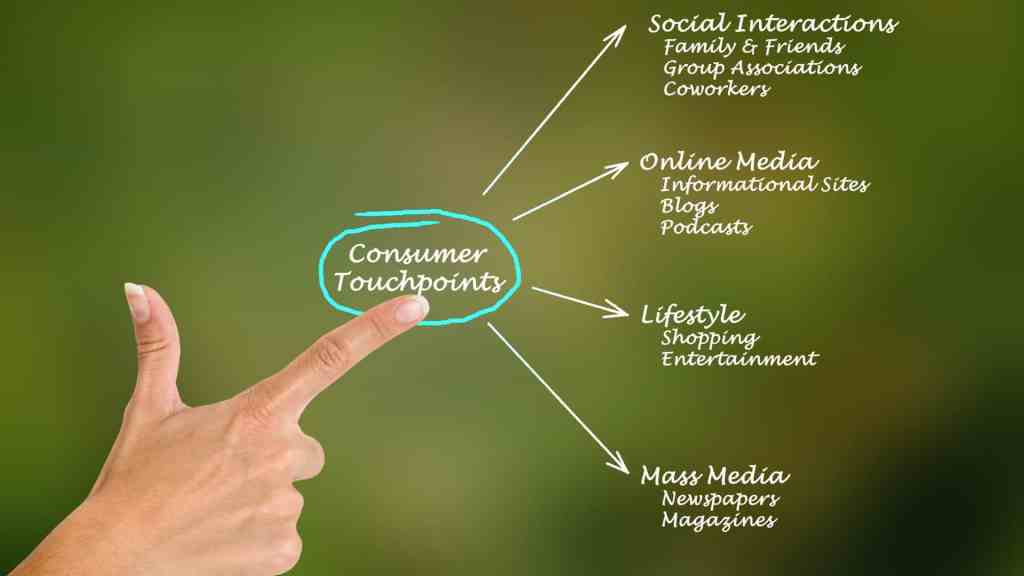
Technology plays a crucial role in bringing data-driven audience segmentation for personalisation techniques to life. With the right tools, businesses can not only gather valuable customer data but also use it to create highly targeted marketing and personalised campaigns at scale. Here’s how different technologies—Customer Data Platforms (CDPs), automation tools, and predictive analytics—can transform your approach to segmentation.
Customer Data Platforms (CDPs) Are The Backbone of Personalisation
Customer Data Platforms (CDPs) and CRM tools help businesses collect, manage, and analyse customer data across multiple touchpoints. By centralising all your customer data in one place, CDPs allow you to gain a full picture of your audience’s behaviours, preferences, and interactions with your brand.
For example, a CDP can pull in data from website visits, email clicks, purchase history, and even social media interactions. With all of this data organised, marketers can easily create segmented lists based on specific criteria—whether it’s demographic data or behavioural patterns. This not only supports more data-driven personalised content but also ensures your segmentation is accurate and up to date.
Automation Tools for Scaling Personalisation with Efficiency
Creating personalised marketing at scale is where automation tools come into play. Platforms like HubSpot, Mailchimp, and others allow marketers to implement email sequencing, personalised emails, offers, and messages automatically based on predefined triggers or audience segments.
For example, you can set up automated workflows that send personalised welcome emails when a new customer signs up or offer a special promotion based on a customer’s past purchasing behaviour. Automation takes much of the manual work out of personalisation while still delivering the same impact. These tools enable marketers to manage personalisation for thousands of customers at once, making segmentation feasible even for larger audiences.
Predictive Analytics for Anticipating Customer Behaviour
Predictive analytics is another powerful technology that helps businesses take personalisation to the next level. These tools use historical data to forecast future customer behaviour, such as predicting when a customer might make their next purchase or identifying when they’re likely to churn.
For instance, if predictive analytics suggests that a customer is likely to abandon your brand, you can proactively send them personalised retention offers to keep them engaged. Similarly, you can use these insights to tailor upsell opportunities for customers who have shown interest in higher-end products. Predictive analytics empowers marketers to be pre-emptive, offering personalized experiences before the customer even realises they need them.
Steps to Implement Audience Segmentation for Personalisation
Implementing audience segmentation for personalisation requires a clear strategy. By following these steps, businesses can gather the right data, create meaningful segments, and develop personalised campaigns that truly resonate with their audience. Let’s walk through each phase, from collecting data to refining your efforts.
1. Gather Customer Data
The first and most critical step in audience segmentation for personalisation techniques is gathering accurate customer data. To truly understand your audience, you need insights that cover demographics (age, gender, income), behaviours (purchase history, browsing habits), and psychographics (values, interests, lifestyles). This rich data gives you a complete view of your customer, making it easier to group them into meaningful segments.
Actionable Tip: Use CRM systems like Salesforce or HubSpot, paired with analytics tools such as Google Analytics, to collect data across various customer touchpoints, from website visits to purchase histories. The more data you collect, the better your segmentation and personalization efforts will be.
2. Identify Key Segments
Once you’ve gathered the data, the next step is to define meaningful audience segments. Group your customers based on shared behaviours, preferences, or demographic traits. This step helps you create more focused segments, such as frequent buyers, discount shoppers, or high-spending customers.
Actionable Tip: Make sure to identify and segment your high-value customers separately. Offering them exclusive promotions or early access to new products helps strengthen their loyalty and boosts overall lifetime value.
3. Develop Personalised Campaigns
Now that you’ve defined your segments, it’s time to build personalised marketing campaigns. Tailor your content, offers, and promotions for each segment. For example, if you have a group of customers who consistently buy fitness products, focus on promoting your latest fitness gear or offering special discounts related to that category. Personalised campaigns create stronger engagement because the messaging feels relevant to the customer’s needs.
Actionable Tip: Use A/B testing to refine your messaging and offers for each segment. By testing different headlines, email designs, or discount offers, you can determine what resonates best with each audience group.
4. Monitor and Optimise Personalisation Efforts
Personalisation isn’t a one-time project. Once you’ve launched your segmented campaigns, it’s essential to track their performance and continuously optimise. Use key metrics like open rates, click-through rates, and conversion rates to measure how well your personalised campaigns are working. Regularly reviewing this data allows you to make adjustments, ensuring that your efforts remain effective and relevant.
Actionable Tip: Don’t just set it and forget it. Continuously review your campaign performance and refine your segmentation as customer behaviours evolve. The more you tweak and optimise, the better your results will be.
Case Study: Personalisation Success Story Through Segmentation

Using audience segmentation for personalisation can transform how businesses interact with their customers. To illustrate this, let’s look at a real-world example of a company that used segmentation to create personalised marketing strategies and saw a significant boost in conversions.
E-Commerce Retailer Increases Conversions with Segmentation
Challenge
An online clothing retailer was facing challenges with low engagement rates and high cart abandonment. Their email marketing strategy consisted of generic messages that failed to resonate with their diverse customer base. After analysing their customer data, the decision was made to implement a segmentation strategy to create more personalised campaigns.
Their customers were segmented into distinct groups based on factors like purchase history, browsing behaviour, and location. One group consisted of loyal, high-spending customers, while another group included shoppers who often added items to their cart but rarely completed purchases. The retailer then personalised their marketing efforts for each segment.
For the high-value customers, exclusive early access to new collections was offered and personalised discount codes. For cart abandoners, automated follow-up emails were developed featuring the items left in their cart, paired with limited-time discount offers to incentivise a purchase.
Results: Tangible Improvements in Engagement and Revenue
The results were immediate and impressive. By using customer segmentation for personalised campaigns, the retailer saw a 43% increase in email open rates and a 19% rise in click-through rates. Most importantly, cart recovery emails led to a 9% reduction in cart abandonment, translating into a 16% increase in overall sales.
Not only did the company improve its engagement metrics, but it also saw a significant increase in revenue. By delivering data-driven personalised content that spoke directly to each segment, the retailer was able to build stronger relationships with their customers, increasing both loyalty and conversions.
Conclusion
Why Audience Segmentation Matters
By now, it’s clear that audience segmentation for personalisation is super important. When you break down your audience into meaningful segments, you can tailor your marketing to fit the specific needs, preferences, and behaviours of each group. And your customers receive messages that feel relevant and personal, which leads to stronger engagement and higher conversion rates.
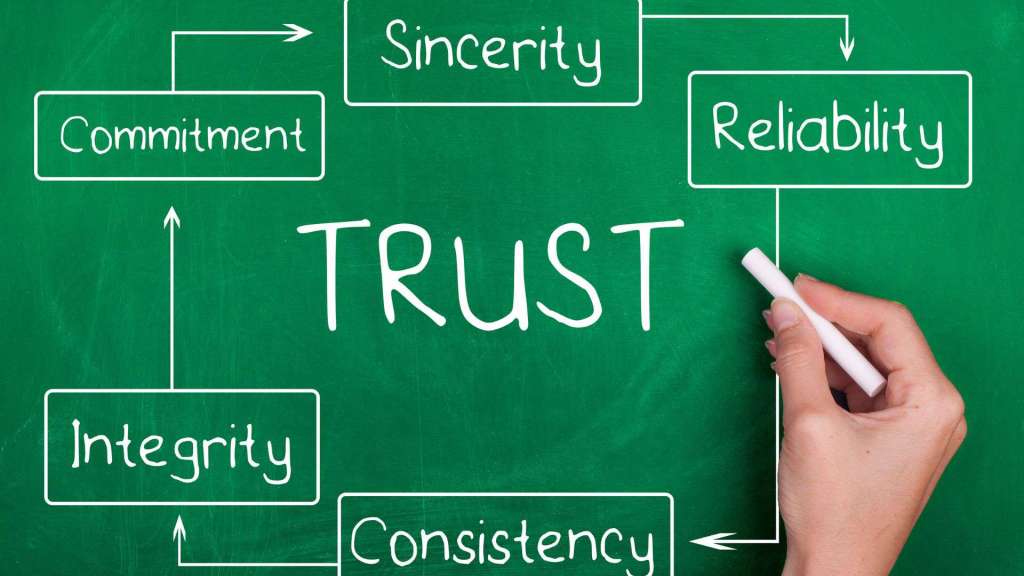
But it doesn’t stop there. Personalised marketing also builds trust and loyalty over time. When customers feel like a brand understands them, they’re more likely to stick around, recommend your products, and become long-term advocates. In short, segmentation doesn’t just drive short-term results—it creates lasting relationships.
Successful personalisation depends on reaching your audience when they need you. SEO plays a key role in making sure your content appears in search results for relevant queries. Explore our SEO services to boost your personalized marketing strategy.

Start Applying Segmentation Techniques Today
Now is the time to put these segmentation and personalisation techniques into action. By gathering the right data, identifying key audience segments, and personalising your marketing efforts, you can create campaigns that truly resonate. Whether you’re running digital ads, social media or email campaigns, segmentation will help you get more out of every interaction and boost your marketing performance.

Download Your Free Personalisation Strategy Guide
To help you get started, we’ve created a Free Personalisation Strategy Guide designed to walk you through the entire process. This guide will show you how to apply segmentation techniques step-by-step, so you can start creating more personalised, impactful marketing campaigns. Don’t miss out on the opportunity to elevate your strategy and connect with your audience in a more meaningful way.
Start using segmentation today, and watch your marketing efforts become more powerful, engaging, and profitable.