
Creating buyer personas that actually inform marketing decisions
Knowing how to create a buyer persona is a crucial step in any successful marketing strategy. A well-developed persona helps you understand who your ideal customers are, what they care about, and how they make purchasing decisions. In this post, we’ll walk you through the process of how to create a buyer persona, so you can start delivering more personalised and effective marketing campaigns.

Creating buyer personas is essential for understanding your audience, but reaching them also requires an effective SEO strategy. By optimising your content for search engines, you can ensure that it ranks for relevant search terms, connecting you with your ideal clients. Learn more about our SEO services and how they can help with audience targeting.

Why Buyer Personas Matter for Targeting Your Ideal Audience
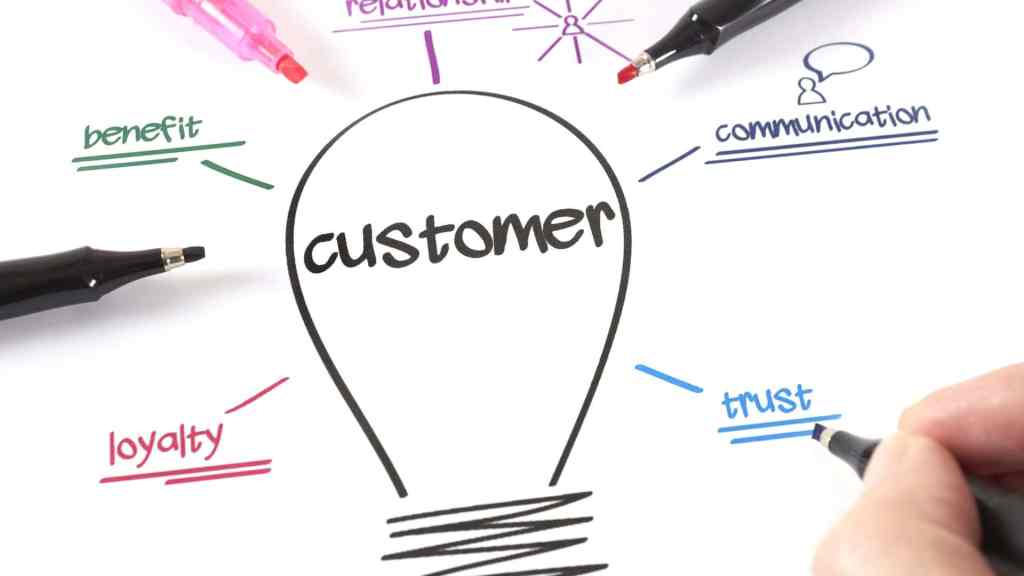
In marketing, the key to success lies in understanding who your customers are and what drives them. A buyer persona is a detailed profile of your ideal customer, based on real data and insights. It helps you understand what motivates customers and clients, and what challenges they face. In this post, we show you how to create a buyer persona. Because by clearly defining these, you can tailor your marketing to meet the specific needs of different customer segments, making your efforts more targeted and effective.
But why are buyer personas so important for effective audience targeting? In a world where customers are constantly bombarded with content, a one-size-fits-all approach just doesn’t cut it anymore. People expect personalised experiences that cater to their specific needs. By defining clear personas, you can focus your marketing efforts on addressing the unique needs and preferences of different customer groups, ensuring that your messages resonate with the right people at the right time.
Having well-defined buyer personas improves the accuracy of your marketing by aligning your content, ads, and offers with the actual motivations, challenges, and pain points of your target audience.
For example, if you’re marketing a meal kit delivery service, you might create a buyer persona for “Busy Professionals” who value convenience and another for “Health Enthusiasts” who prioritise fresh, organic ingredients. With these personas in place, you can tailor your messaging to meet the distinct needs of each group, improving engagement and connection.
What is a Buyer Persona?

A buyer persona is a semi-fictional profile that represents your ideal customer, based on real-world data and research. It combines insights about your customers’ demographics, interests, pain points, and behaviours to give you a clear picture of who they are and what drives them. Think of it as a detailed snapshot of the types of people who are most likely to engage with your brand, helping you shape your marketing efforts more strategically.
Buyer personas play an essential role in audience targeting. Instead of trying to appeal to everyone, personas allow you to focus on key customer groups, ensuring your marketing is relevant and impactful.
For example, if you’re marketing a meal kit delivery service, understanding how to create one persona for “Busy Professionals” who value convenience will really help to inform your marketing. Or another important group for your business is “Health Enthusiasts” who prioritise fresh, organic ingredients. With these personas in place, you can tailor your messaging to meet the distinct needs of each group, improving engagement and connection.
Beyond targeting, the rationale behind how to create a buyer persona is the foundation of audience segmentation for personalised marketing. They enable businesses to go beyond broad, generic campaigns and create content that speaks directly to specific customer needs. By understanding your personas’ preferences and challenges, you can offer more meaningful solutions, whether through personalised product recommendations, targeted ads, or curated email content. This not only builds stronger relationships but also boosts conversion rates, as your customers feel that your brand truly understands their needs.
Steps on How to Create a Buyer Persona

Creating a buyer persona involves gathering real data and organising it into a clear, actionable profile. Below is a step-by-step guide showing how to create a buyer persona that will improve your marketing strategy.
Step 1: Gather Customer Data.
To start, you need solid data about your customers. This will help you form a well-rounded understanding of who they are.
a) Create a Buyer Persona by Analysing Your Existing Customers.
Begin by pulling demographic, psychographic, and behavioural data from your CRM, website analytics, or email marketing tools. This data can show you trends in customer behaviour, such as purchasing habits, interests, and browsing patterns.
b) Conduct Customer Interviews.
Take the time to speak directly with your current customers. Ask them about their challenges, what motivates their buying decisions, and what they expect from your product or service. This qualitative feedback gives you deeper insights that numbers alone might miss.
c) Utilise Social Media Insights.
Platforms like Facebook Audience Insights or Instagram Analytics can help you understand what your followers care about and how they interact with content. This can reveal key interests and behaviours that shape your personas.
Step 2: Identify Key Demographics to Create a Buyer Persona
Next, define the basic characteristics of your customers. These factors help shape your marketing language and approach.
- Age, (Gender – as appropriate), Location, and Income.
- Outline the core demographic details such as age range, gender identity, where your customers live, and their income levels. These factors affect purchasing decisions and product preferences.
- Job Title and Industry.
- For B2B businesses, understanding your audience’s professional background is essential. Include information about their role, industry, and how they make purchasing decisions in the workplace.
Step 3: Understand Customer Pain Points and Goals
Now, get to the heart of what your customers need and what drives them.
- Identify Challenges.
- What problems are your customers trying to solve? Whether it’s saving time, reducing costs, or improving a process, understanding these pain points helps you craft more relevant messaging.
- Define Their Goals.
- Focus on what your customers want to achieve, both personally and professionally. Your product or service should be positioned as the solution to help them reach these goals.
Step 4: Map the Customer Journey
Understanding the path your customers take from awareness to purchase helps you refine your content at every touchpoint.
- Awareness to Decision Stage.
- Break down the customer journey into stages—starting from when they first hear about your product to when they decide to buy.
- At each stage, identify the type of content cand messaging that would guide them to the next step. For example, in the awareness stage, you might focus on an educational content strategy, while during the decision stage, product comparisons or testimonials may be more effective.
Step 5: Create a Buyer Persona Profile
Now it’s time to bring everything together into a clear persona profile.
- Persona Template.
- Use a template to document the key characteristics of your buyer personas. Include sections for demographics, goals, challenges, and the customer journey. This document will serve as a guide for your marketing team to create targeted campaigns.
- Sample Buyer Persona.
- To help you visualise what a well-rounded persona looks like, here’s an example:
Name: “Sarah, The Savvy Entrepreneur”
Age: 35-45
Role: Small business owner, e-commerce
Challenges: Managing time and scaling her business
Goals: Automating tasks, improving customer retention
Buying Motivation: Products that save time and streamline operations
This persona gives you a clear view of who Sarah is, what drives her decisions, and how your product can meet her needs.
- To help you visualise what a well-rounded persona looks like, here’s an example:
How to Create a Buyer Persona and Improve Audience Targeting
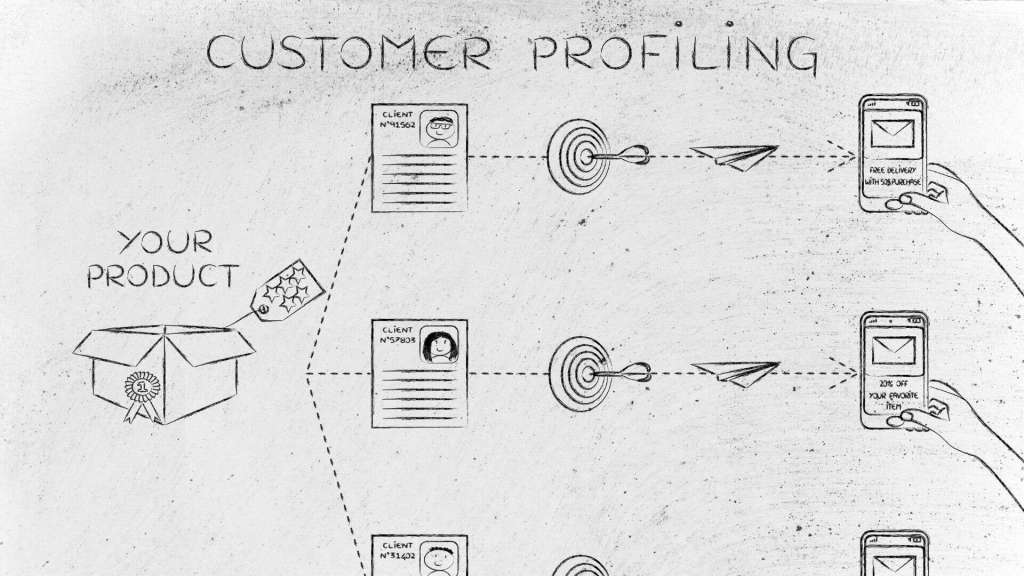
Buyer personas are a game-changer when it comes to refining your marketing approach and making it more impactful. By using personas, you’re able to tailor your messaging, offers, and ads in ways that resonate deeply with specific audience segments. Let’s break down how this works:
Personalised Messaging
When you create a buyer personas, you have marketing content that feels personal and relevant to your audience. Instead of delivering generic messages, you can speak directly to each persona’s unique needs, preferences, and challenges.
For instance, if one of your personas is a busy professional, your emails and ads can focus on time-saving solutions, showing that you understand what they care about. This level of personalisation increases engagement because customers feel like your brand is speaking to them, not at them.
Targeting Specific Needs
Personas also help you zero in on your audience’s pain points and goals, allowing you to create more compelling offers. By understanding the specific problems each segment is trying to solve, you can position your product or service as the best solution.
For example, if your persona is a small business owner struggling with cash flow, your offer could emphasise how your software helps streamline finances and reduce costs. This targeted approach makes your offers more attractive and relevant to each group.
Better Ad Targeting
Buyer personas can significantly improve the precision of your paid ad campaigns. When you know your audience’s demographics, interests, and behaviours, you can fine-tune your ad targeting to reach the right people.
For instance, if one of your personas is a tech-savvy millennial who loves sustainable products, you can target ads on platforms like Instagram or TikTok that showcase your eco-friendly options. By aligning your ads with specific traits and behaviours, you’re more likely to see better click-through rates and conversions because your ads are being seen by the people who are most likely to engage.
How SEO Improves Buyer Persona Targeting
Once you’ve developed detailed buyer personas, SEO helps ensure that your content reaches these specific groups. By using SEO to match your content to your personas’ search behaviour, you improve your chances of ranking for the terms your target audience is searching for. Discover more about how to combine buyer personas with SEO on our Client Targeting and Segmentation Resource Page.
Common Mistakes to Avoid When Your Create a Buyer Persona

Creating buyer personas is a powerful tool for improving your marketing strategy, but it’s easy to make mistakes that can weaken their effectiveness. To ensure your personas truly help you target the right audience, here are some common missteps to avoid.
Too Vague or Broad
One of the biggest mistakes businesses make when developing buyer personas is keeping them too general. Personas that lack specific details about your audience’s demographics, interests, or pain points can end up being so broad that they don’t provide meaningful guidance for your marketing efforts.
For example, if your persona is simply “working professionals,” it’s hard to craft messages that feel personal or relevant because this group is so diverse. You could be targeting someone fresh out of college or a senior executive with years of experience—each with very different needs and motivations.
To avoid this, ensure that your personas are detailed enough to reflect the unique characteristics of your target audience. The more specific you are, the more you can tailor your messaging to address their exact needs. Narrowing down your persona with traits like industry, job role, or challenges makes it easier to connect with them on a deeper level.
Relying on Assumptions
Another common mistake is basing your personas on guesswork rather than real data. It can be tempting to create personas based on what you think your customers are like, but assumptions often lead to a misguided marketing strategy.
For instance, assuming your customers prefer high-end products because of their income level might miss the mark if, in reality, they prioritise value and practicality.
To build accurate personas, gather real customer data through surveys, interviews, and analytics. Look at how your customers interact with your brand, what challenges they face, and what drives their purchasing decisions. This data-driven approach ensures that your personas reflect the actual needs and behaviours of your audience, rather than what you think they want.
Not Updating Personas Regularly
Buyer personas aren’t a one-time project—they need to evolve alongside your customers. One of the biggest mistakes businesses make is failing to update their personas as customer behaviours and market trends change. What worked a year ago might not apply now, especially with rapidly shifting trends in technology, social media engagement, and consumer preferences.
For example, if your persona used to rely heavily on traditional advertising, but now interacts more with brands on social media, your marketing strategies should shift accordingly. Revisiting and revising your personas regularly ensures they stay relevant and accurate.
Set a schedule to review your personas every six months or after any major shift in the market or your customer base. This way, your marketing remains aligned with your audience’s evolving needs.
Tools to Help Create a Buyer Persona

Creating accurate and detailed buyer personas is much easier when you have the right tools at your disposal. These tools help you gather data, track customer behaviour, and organise the information needed to build personas that reflect the true needs of your audience. Let’s look at some of the best resources available to streamline this process.
Google Analytics
Google Analytics is a powerful tool for gathering key demographic and behavioural insights about your audience. Through its Demographics and Interests reports, you can see essential data like age, gender (if appropriate), and location, as well as information about users’ interests based on their browsing habits. This helps you understand who is visiting your website and how they interact with your content.
By using this data, you can start identifying patterns that will shape your personas.
For example, you might discover that a significant portion of your site visitors are tech-savvy millennials, which could influence how you craft your marketing messages.
The insights from Google Analytics give you a solid foundation for creating data-driven personas that align with the people actually engaging with your brand.
HubSpot
HubSpot offers an intuitive persona-building tool that guides you through the process of creating detailed customer profiles. This tool allows you to enter key demographic and psychographic data, along with customer goals and challenges, helping you visualise the different types of personas relevant to your business. HubSpot also integrates seamlessly with your CRM and marketing platforms, making it easy to apply these personas to your email campaigns, content strategies, and other marketing efforts.
What’s great about HubSpot is that it not only helps you build personas but also gives you the ability to segment your audience and automate personalised campaigns based on these profiles. This makes it a comprehensive solution for developing personas and using them effectively in your marketing.
SurveyMonkey
One of the best ways to gather direct insights about your customers is by asking them directly. SurveyMonkey allows you to create surveys that can be sent to your existing customers or potential leads. By asking the right questions, you can gain valuable feedback about their needs, preferences, and challenges.
For instance, you might use SurveyMonkey to learn more about why customers choose your product, what they value most, and what issues they’re trying to solve.
These real-world responses help you create personas that truly reflect the voice of your audience, providing you with qualitative data that complements the quantitative insights from analytics tools.
CRM Software
Your CRM software is one of the most valuable tools for developing buyer personas, as it stores a wealth of data on how customers interact with your brand. By tracking customer interactions across various touchpoints—whether through email, sales calls, or customer service—you can gain deeper insights into their behaviours and preferences.
For example, CRM data can reveal patterns in purchasing behaviour, such as how frequently customers buy from you or what types of products they prefer. This information can help you identify key traits for your personas, such as loyalty levels or product preferences, making it easier to tailor your marketing to these segments.
Plus, CRM software often includes segmentation tools that allow you to organise customers into specific groups, further refining your personas.
Case Study: How to Create a Buyer Persona That Leads to Better Audience Targeting
One of the best ways to understand the value of buyer personas is by looking at real-world examples. Let’s dive into a case study that demonstrates how a company used well-defined strategy to create a buyer persona that sharpened their audience targeting and achieve impressive results.
Example from a Real Business
Company: A mid-sized e-commerce business specialising in eco-friendly home goods.
Challenge: The company was struggling with low conversion rates despite having a high volume of website traffic. Their marketing campaigns were too broad, and their messaging didn’t seem to resonate with their audience. They realised they needed a more targeted approach to improve engagement and sales.
Solution
Buyer personas were created, based on data from their CRM, website analytics, and customer surveys. After analysing this data, three key personas were identified:
- Sustainable Sarah.
- A millennial interested in reducing her carbon footprint by purchasing eco-friendly products.
- She values quality and sustainability, even if it means paying a little extra.
- Budget-Conscious Bob.
- A young parent looking for affordable, environmentally friendly products for his family.
- He’s price-sensitive but wants to make more eco-friendly choices without breaking the bank.
- Home Improver Helen.
- An older homeowner who’s interested in sustainable solutions for home renovations.
- She’s practical, focused on durability, and loves products that offer long-term value.
By understanding each persona’s specific needs, motivations, and pain points, the company’s messaging and offers were tailored accordingly. For Sustainable Sarah, the emphasis was on their commitment to sustainability and highlighting premium eco-friendly products. For Budget-Conscious Bob, sales and discounts on affordable green options were promoted. And for Home Improver Helen, the focus was on long-lasting, durable products that aligned with her interest in home improvement.
Results
Once these personas were in place, business email campaigns, website copy, and social media ads were redesigned to cater to each persona. The results were immediate and impressive:
- Increased Engagement.
- Engagement rates on email campaigns rose by 40%, as customers started receiving more relevant content that spoke directly to their interests and needs.
- Higher Conversion Rates.
- Conversion rates increased by 25%, as the company’s more focused messaging resonated with the specific motivations of each persona.
- Better ROI on Ad Spend.
- With more targeted ads, the company saw a 30% improvement in ROI on their paid ad campaigns.
- Ads were now reaching the right people, resulting in higher click-through rates and more purchases.
By defining clear buyer personas, this eco-friendly home goods company was able to dramatically improve its audience targeting. The shift to persona-based marketing resulted in better engagement, higher conversions, and a more efficient use of their advertising budget. This case study highlights how taking the time to create accurate buyer personas can transform a company’s profitability and lead to substantial marketing success.
Start And Create a Buyer Persona Today

Buyer personas are essential for improving audience targeting and driving more effective marketing strategies. By understanding who your ideal customers are—what they care about, what challenges they face, and how they make decisions—you can create personalised messaging that resonates with them on a deeper level. This not only improves engagement but also boosts conversions and optimises your marketing spend by focusing on the right audience.
Now that you’ve seen the power of well-defined personas, it’s time to take the next step. Start by gathering data from your existing customers, analysing key trends, and mapping out the different segments of your audience. Use the insights from your CRM, social media platforms, and direct customer feedback to build detailed personas that reflect the needs of your core customer groups. Creating accurate buyer personas is just the beginning. SEO makes sure your message reaches them at the right time. Explore our SEO services to improve your audience targeting efforts.
The process of creating buyer personas may take time, but it will pay off in the long run by helping you create more targeted and relevant marketing campaigns. With accurate personas in place, you’ll be better equipped to connect with your audience, delivering content and offers that speak to their specific needs and motivations. So, get started today and begin building the foundation for a more effective and personalised marketing strategy.
Start to create a buyer persona today with our free Buyer Persona Template.
This easy-to-use resource will guide you through the process of gathering data, identifying key traits, and organising it all into actionable personas that can enhance your marketing strategy.
Download the template now and start crafting personas that will drive better engagement and higher conversions!
Looking for more in-depth insights on how to segment your audience and personalise your marketing efforts? Be sure to check out our Fundamentals of Audience Targeting and Segmentation for expert tips on creating meaningful connections with your customers through targeted campaigns.