
The Power of Data-Driven Audience Segmentation Techniques
In marketing, it’s no longer enough to guess who your audience is or rely on broad assumptions. To get real results, businesses need to be more strategic, and that’s where data-driven audience segmentation comes in. This method takes the guesswork out of your marketing efforts by using real customer data to divide your audience into targeted, actionable groups.
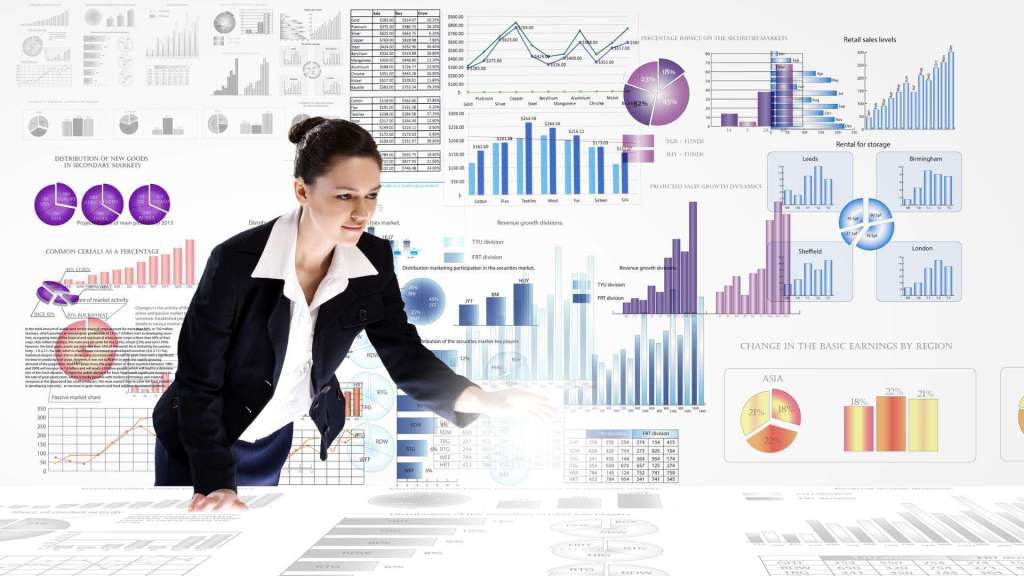
The result? You’re able to deliver personalised messages that each segment can relate to, leading to higher engagement and conversion rates.
For business owners and marketers, leveraging data to fine-tune your audience segments can be a game-changer. By identifying specific characteristics and behaviours, you can stop wasting time and budget on broad campaigns and start focusing on the groups that are most likely to respond to your message.
What is Data-Driven Audience Segmentation?
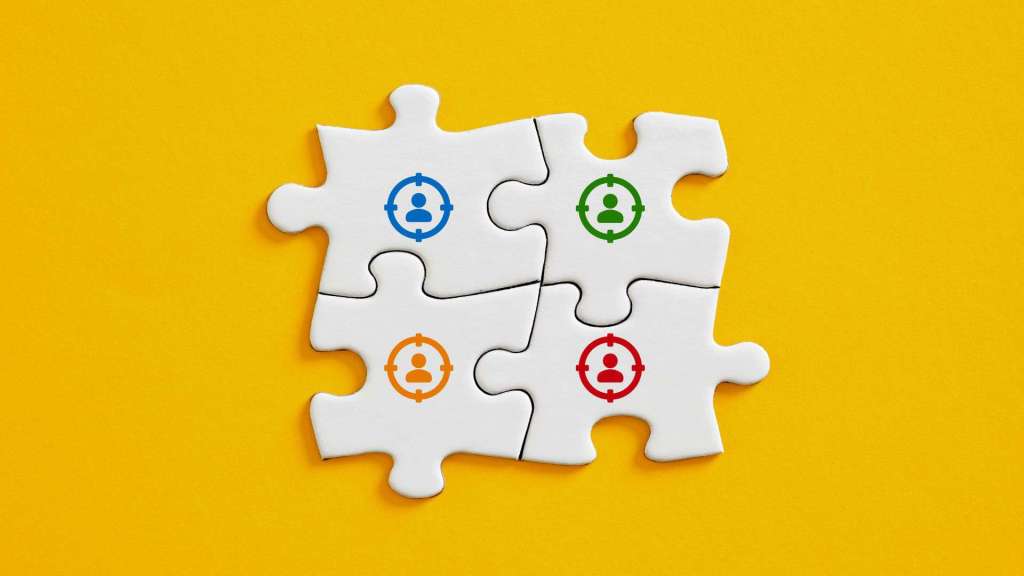
Definition of Using Real Data to Target Your Audience More Effectively
Data-driven audience segmentation is the process of dividing your audience into targeted, manageable groups based on actual customer data. This approach moves away from relying on assumptions or broad generalisations about your customers. Instead, it uses concrete insights—such as demographics, behaviours, purchase history, and preferences—to identify and create specific customer segments. By tapping into real data, you gain a much clearer picture of who your audience is and how best to communicate with them. From this, you can create a buyer persona that will give a more accurate reflection of who you need to reaching out to.
The Importance of Precision is Key for Resonating with Your Audience
When you base your marketing strategy on real customer data, you can create highly relevant messages that truly connect with your audience. Audience segmentation techniques driven by data allow you to understand exactly who your customers are and what they want, so you can deliver content that feels personalised and meaningful. This level of precision means that instead of sending the same message to your entire audience, you can tailor your marketing to different groups. The result? Your campaigns are more likely to resonate, boosting engagement and driving higher conversion rates.
Examples of How Data-Driven Segmentation Improves Engagement
Let’s say you run an online clothing store. Using audience targeting and segmentation, you might create one segment for customers who frequently buy athletic wear and another for those who prefer formal attire. By tailoring your messaging—such as promoting new workout gear to the athletic segment and formal collections to the business crowd—you can increase the likelihood of a sale. This type of precise targeting makes your marketing more relevant, increasing both customer engagement and overall campaign performance.
In short, data-driven audience segmentation helps you move away from guesswork and into a space where every decision is informed by real customer insights. It’s not just about knowing your audience—it’s about knowing how to connect with them on a deeper level.
In this post, we’ll break down the most effective audience segmentation techniques and show you how data-driven marketing strategies can supercharge your efforts. Whether you’re looking to boost ROI, increase customer loyalty, or simply reach the right people more effectively, these techniques will help you do just that.
Key Data Types Used in Audience Segmentation

Successful data-driven audience segmentation relies on various types of data to build accurate and actionable customer segments. Each data type plays a unique role in helping businesses understand their audience on a deeper level.
Let’s explore the most commonly used data categories and how they drive more precise marketing strategies.
- Demographic Data.
- Behavioural Data.
- Psychographic Data.
- Geographic Data.
Demographic Data is the Foundation of Every Strategy
Demographic data is the backbone of most data-driven marketing strategies. This includes key details like age, income, education level, and occupation. By segmenting your audience based on these factors, you can align your messaging with each group’s characteristics.
For example, younger customers in their twenties might prefer trendy and informal messages. On the other hand, older, high-income customers may respond better to professional, informative content. Customer data segmentation based on demographics helps you create targeted campaigns that speak directly to each group’s needs. Instead of sending one broad message, you’re delivering tailored communication that resonates with your specific audience segments.
Behavioural Data – Tracking Actions for Precise Targeting
While demographic data tells you who your customers are, behavioural data shows you what they do. This includes insights like purchase history, browsing habits, and how often they engage with your brand. With behavioural segmentation, you can track customer actions and create more relevant marketing based on real-time behaviours.
For example, if a customer frequently adds items to their cart but rarely completes the purchase, you can segment them for targeted emails or special offers. These audience targeting methods are effective because they respond directly to customer actions. Behavioural insights are key to refining your data-driven audience segmentation, ensuring your message matches where each customer is in their buying journey.
Psychographic Data – Understanding Values and Motivations
Demographics and behaviours are important, but to connect on a deeper level, you need psychographic data. This type of data explores beliefs, values, interests, and lifestyle choices. While two people may be the same age and live in the same area, their motivations and values could be very different. Psychographic segmentation allows you to tap into these emotional factors to create more meaningful messages.
For example, a brand selling eco-friendly products might target an audience that values sustainability. They could run campaigns highlighting ethical sourcing and zero-waste packaging. By using psychographic segmentation techniques, you focus not just on who your audience is, but on why they make buying decisions. This approach leads to more personalised marketing campaigns.
Geographic Data – Targeting by Location for Maximum Relevance
Geographic data is essential for businesses that operate in different regions or target location-specific customers. It segments your audience based on where they live, such as country, state, city, or neighbourhood. This data is useful for location-based promotions or when tailoring content to regional trends.
For example, a clothing retailer might promote winter jackets to customers in cold regions while showcasing lighter apparel to those in warmer areas. Using geographic data ensures that your message is relevant to your audience’s environment. This audience segmentation technique is effective not only for increasing relevance but also for boosting engagement with location-specific marketing.
Data-Driven Audience Segmentation Techniques

When it comes to data-driven audience segmentation, there are several techniques that can help you better understand and target your customers. These methods allow you to analyse real customer data, so you can deliver personalised marketing that resonates with each group. Let’s explore three of the most effective techniques.
- Recency, Frequency, Monetary Value Segmentation.
- Predictive Analytics.
- Website Behavioural Targeting.
RFM Segmentation (Recency, Frequency, Monetary Value)
RFM segmentation is a powerful tool that helps businesses identify their most valuable customers. It breaks down customer behaviour into three simple metrics: how recently a customer made a purchase, how often they buy, and how much they spend. By analysing these patterns, you can easily spot high-value customers and create targeted marketing campaigns just for them.
For example, if a customer frequently buys high-ticket items and makes purchases regularly, you can target them with special loyalty offers or exclusive promotions. This approach ensures that your most valuable customers feel appreciated, increasing their loyalty and likelihood to return. RFM segmentation is an essential data-driven audience segmentation method for tailoring offers to your top-tier audience.
Predictive Analytics for Anticipating Customer Behaviour
Predictive analytics takes data-driven marketing a step further. This technique uses past customer data to predict future behaviour. By analysing trends and patterns, you can forecast how customers are likely to act, whether that’s making a purchase or even leaving your brand.
For example, if the data suggests a customer is likely to churn, you can act quickly by offering a retention deal or personalised incentives. On the flip side, you can use this insight to predict when a customer might be ready for an upsell and tailor your marketing accordingly. This data-driven marketing strategy enables companies to stay ahead of customer actions and anticipate their needs before they happen.
Website Behavioural Targeting for Tracking On-Site Engagement
Website behavioural targeting is all about tracking how users interact with your website. By analysing on-site behaviour, you can segment users based on their engagement with certain products or content.
For example, if someone frequently visits your blog, you could target them with content-related offers or newsletters. On the other hand, if they’re regularly browsing product pages but not buying, you might want to send them a special discount or abandoned cart email.
This approach is particularly effective for e-commerce and content-driven brands. It allows you to target customers at different stages of their journey with messaging that’s personalised and timely. Behavioural tracking is one of the most effective audience targeting methods, making it easier to send the right message at the right time.
The Benefits of Data-Driven Audience Segmentation
Using data segmentation brings several key benefits to your marketing efforts. By leveraging real audience insights, you can improve personalisation, boost your return on investment (ROI), and increase conversion rates. Let’s break down these benefits in detail.
Improved Personalisation for Marketing That Speaks to Your Audience
One of the biggest advantages of data-driven audience segmentation is the ability to create audience segmentation for highly personalised marketing. When you know who your customers are, how they behave, and what they care about, you can create messages that truly resonate. Instead of sending the same generic message to everyone, you can tailor your content to fit the needs of each specific group.
For example, you might promote different products to frequent shoppers compared to those who have only visited your website once. This level of personalisation makes your audience feel understood, which naturally leads to stronger engagement. Customers are more likely to respond when they receive content that feels relevant and targeted to their interests.
Increased ROI for Maximising Your Marketing Spend
Another major benefit of customer data segmentation is that it helps you get more out of your marketing budget. By focusing on the most relevant audience segments, you avoid wasting money on people who are unlikely to convert. This ensures your resources are spent on the customers most likely to engage with your brand.
For instance, instead of running a broad ad campaign that reaches everyone, you can use segmented data to target only those with a history of interacting with your product or service. This data-driven approach leads to better results with less spend, ultimately boosting your ROI. You’re investing in the right people at the right time, maximizing the impact of every dollar you spend.
Higher Conversion Rates to Focus on High-Intent Customers
Finally, advanced audience segmentation techniques help you zero in on the customers most likely to convert. When you segment your audience based on factors like behaviour, intent, and previous interactions, you can identify which customers are ready to take action. This means you can direct your marketing efforts toward the people who are closest to making a purchase.
For example, targeting high-intent customers with timely, relevant offers can significantly increase your chances of closing a sale. By focusing on these groups, you improve your conversion rates and drive more meaningful interactions with your audience. In the end, data-driven audience segmentation ensures your marketing is both effective and efficient, making it easier to reach your business goals.
How to Implement Data-Driven Audience Segmentation

Successfully applying data-driven audience segmentation requires a strategic approach. The process starts with collecting accurate data, using the right tools for analysis, and continuously testing and optimising your segments. Let’s break down the key steps to make this process work for your business.
Gathering the Right Data
The first step in implementing data-driven marketing strategies is collecting accurate and relevant data. The quality of your customer data directly impacts the effectiveness of your segmentation. To ensure you’re getting the full picture, it’s important to pull information from multiple sources. This includes your CRM systems, website analytics, and customer surveys.
For example, CRM data provides insight into customer behaviour, such as purchase history and interactions with your business. Website analytics help track browsing patterns, while surveys give you direct feedback on customer preferences and pain points. Together, these sources help you build a rich, detailed view of your audience, making it easier to create precise segments.
Using Tools for Data Analysis

Once you’ve gathered the data, the next step is to analyse it using the right tools. Platforms like Google Analytics, HubSpot, and predictive models can help you segment your audience based on various factors, such as demographics, behaviour, and engagement levels.
For instance, Google Analytics allows you to track user behaviour on your website, helping you understand which pages your audience visits most often. HubSpot provides a more comprehensive view by integrating CRM data, social media insights, and email marketing metrics. Predictive models use past behaviour to forecast future actions, enabling you to anticipate customer needs. These tools simplify the process of applying data-driven audience segmentation techniques, allowing you to focus on what really matters—creating targeted campaigns.
Testing and Optimising Your Segments
Data-driven segmentation is not a one-and-done process. To get the best results, you need to regularly test and refine your segments. This ensures that your strategy evolves with changing customer behaviours and market trends.
Start by testing different audience segments with targeted campaigns, then measure their performance. Look at key metrics like click-through rates, conversion rates, and customer engagement. If one segment outperforms others, consider refining your audience targeting methods for that group. Continuous testing is crucial to successful data-driven marketing, as it allows you to make data-backed decisions and improve over time.
Case Study Success with Data-Driven Segmentation
Context: An e-commerce company specialising in fitness gear was struggling to convert website traffic into sales. Despite solid web traffic, their overall conversion rate remained low, and their email campaigns were underperforming. The business decided to use data-driven marketing strategies to better understand their audience and refine their targeting efforts.
First, data was gathered from their CRM system, website analytics, and purchase history. This allowed their audience to be broken into specific segments, such as repeat buyers, one-time shoppers, and high-intent browsers. Using this data, targeted email campaigns were implemented for each segment. For example, personalised discount offers were sent to high-intent users who had abandoned carts and loyalty rewards to repeat customers.
Results
Higher Sales and Increased ROI
The results were immediate. After applying customer data segmentation, the company saw a 25% increase in email open rates and a 30% rise in click-through rates. Most importantly, their sales grew by 20% in just three months. By focusing on the right audience segments, they also improved their ROI by 35%. Instead of sending blanket offers to everyone, they reached the right customers with relevant, timely messaging.
This case shows how effective data-driven audience segmentation techniques can be in real-world scenarios. By using actual customer data to guide their marketing, the business saw stronger engagement and higher conversion rates. It’s a clear example of how data-driven marketing strategies lead to more successful outcomes.
Conclusion
Data-Driven Audience Segmentation is Key to Marketing Success
Data-driven audience segmentation is essential for any business looking to improve its marketing efforts. By using real customer data, you can create targeted campaigns that speak directly to your audience’s needs and preferences. This level of personalisation not only enhances customer engagement but also boosts conversion rates and maximises your return on investment.
The benefits of using data-driven marketing strategies are clear. You’re able to reach the right people with the right message at the right time. This precision reduces wasted spending and ensures that your marketing budget is spent wisely. Whether you’re focusing on demographics, behaviours, or psychographics, segmenting your audience helps you connect with them on a deeper level, driving better results across the board.
Start Using Data-Driven Audience Segmentation Today
Now is the perfect time to start applying data-driven audience segmentation techniques. By breaking your audience into specific groups and targeting them with tailored messages, you can create campaigns that drive real results.
To help you get started, we’ve created a free Audience Segmentation Worksheet. This tool will guide you through the process of collecting data, building segments, and applying them to your marketing efforts. Download it now and start seeing the benefits of more targeted, data-driven marketing today.
Ready to begin?
Download our free Audience Segmentation Worksheet to kickstart your data-driven marketing strategy. With this worksheet, you’ll be able to identify key audience segments, tailor your messaging, and optimize your campaigns for better performance.