

A practical framework for building a digital marketing strategy
Creating a strong digital marketing strategy is the foundation of any successful online business. Whether you’re a new start-up or an established company, having a plan that covers all key aspects is crucial. One of the most important elements that should be included in every digital marketing strategy is Search Engine Optimisation (SEO). SEO is essential for driving organic traffic, improving search engine rankings, and ensuring your business is visible to your target audience. Explore our SEO services to see how SEO can elevate your marketing efforts.
The Basic Steps of a Digital Marketing Strategy

“78% of location-based mobile searches result in an offline purchase”.
Source: SearchEngineLand
The basics of a digital marketing strategy, especially for small retail businesses are centred around a few key elements that ensure all efforts are aligned, measurable, and effective. A digital marketing blueprint outlines the exact steps your business should take to achieve its marketing goals, ensuring that every digital touchpoint is optimised for success.
These include:
Audience Understanding

- Who is Your Target Audience?
- Identify your ideal customers by understanding their demographics, behaviours, pain points, and needs.
- Persona Development.
- Create detailed buyer personas that represent your ideal customers. This helps tailor your messaging and campaigns effectively.
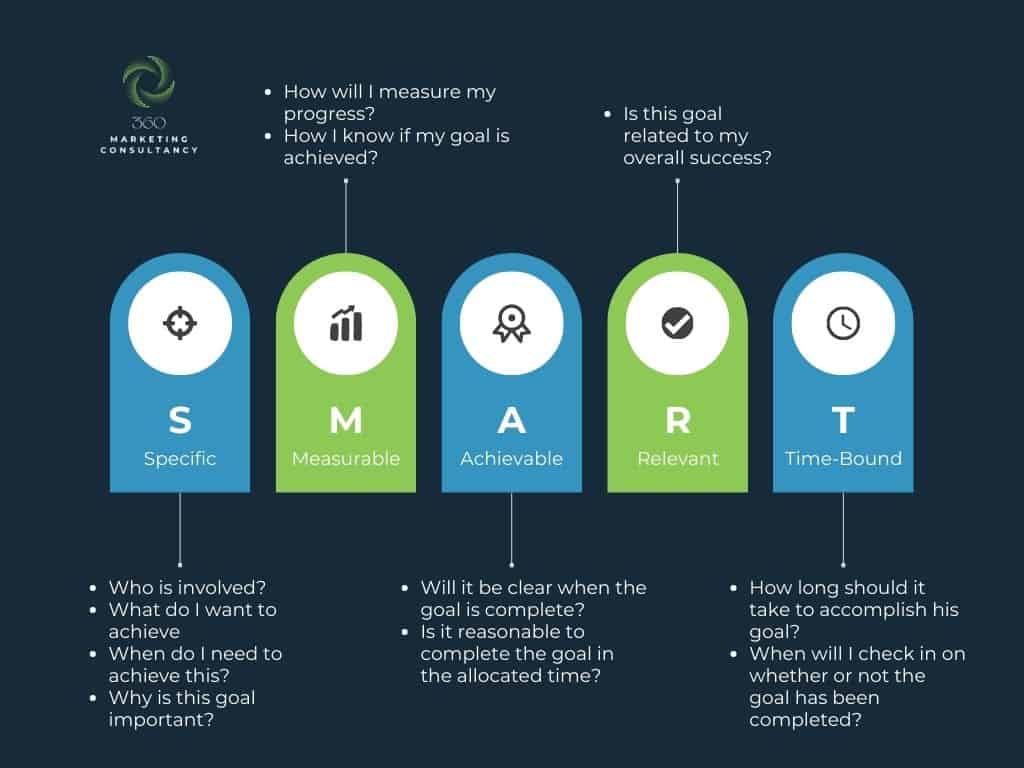
2. SMART Goals
- Specific.
- Define clear and specific objectives (e.g., “Increase website traffic by 20% in six months”).
- Measurable.
- Ensure goals can be measured through key performance indicators (KPIs) like traffic, engagement, and conversions.
- Achievable.
- Set goals that are realistic and attainable given your resources and market conditions.
- Relevant.
- Align goals with your overall business objectives to ensure they contribute to growth.
- Time-bound.
- Assign deadlines to each goal to maintain focus and urgency.
3. Content Creation

Content marketing is an essential part of engaging your audience and building trust. However, even the best content will fail to reach its full potential without the right distribution and visibility. Incorporating SEO-driven content ensures that your material is discoverable and reaches your target audience. Whether you’re blogging, creating videos, or publishing infographics, SEO will help boost visibility. Discover how our SEO services can enhance your content marketing efforts
- Content Types.
- Decide on the types of content that resonate with your audience (e.g., blog posts, videos, social media updates).
- Content Calendar.
- Develop a content calendar to plan, create, and distribute content consistently across platforms.
- Value-Driven Content.
- Focus on creating content that addresses your audience’s pain points, answers their questions, and positions your brand as a solution.
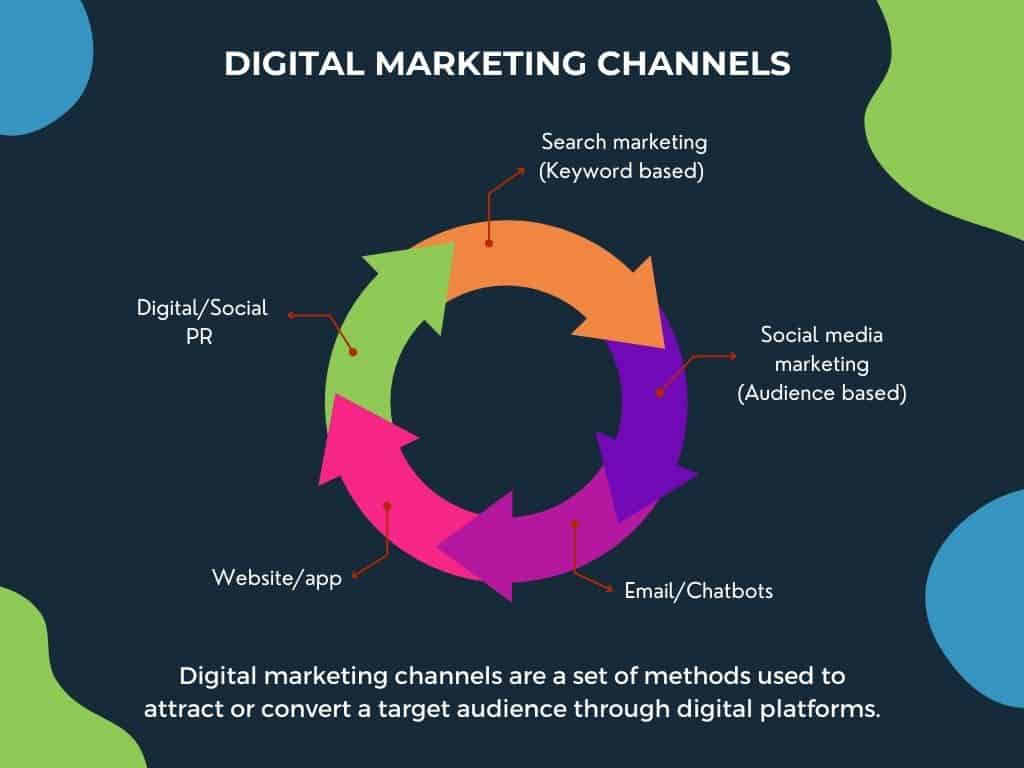
4. Channel Selection
- Website.
- Website optimisation is about more than just fast loading speeds and mobile-friendliness. To truly stand out in the digital world, your site needs to be optimised for search engines as well. This is where SEO strategies come into play. By optimising your content, metadata, and website structure, you can boost your search engine rankings and attract more visitors. Learn more about how our SEO services can help optimise your website for success.
- SEO.
- Implement both on-page and off-page SEO strategies to enhance visibility in search engine results.
- Social Media.
- Choose the right platforms (e.g., Facebook, Instagram, LinkedIn) based on where your audience spends time.
- Email Marketing.
- Build and segment your email list, and send targeted campaigns to nurture leads and maintain customer relationships.
5. Paid Media

- PPC Campaigns.
- Use Google Ads, Bing Ads, or social media ads to target specific demographics and drive traffic.
- Retargeting.
- Re-engage users who have interacted with your brand but haven’t converted yet.
6. Analytics and Tracking

Analytics are critical for understanding the performance of your marketing campaigns, and SEO is no exception. Tracking the effectiveness of your SEO efforts is key to optimizing your digital marketing strategy. Through SEO analytics, you can monitor keyword rankings, traffic sources, and user behavior to continually refine your strategy. Our SEO analytics services can provide insights that help drive better results and improve your overall marketing performance.
- Key Metrics.
- Monitor essential KPIs such as website traffic, conversion rates, social media engagement, and ROI.
- Google Analytics.
- Use tools like Google Analytics to track user behaviour, traffic sources, and conversion paths.
- Continuous Improvement.
- Regularly analyse your data to identify what’s working and what isn’t. Make adjustments to optimise performance.
7. Customer Engagement

- Community Building.
- Engage with your audience through social media, respond to comments, and create a community around your brand.
- Customer Support.
- Offer responsive customer support via social media and email to resolve issues and build loyalty.
- Personalisation.
- Use personalisation tactics to enhance the customer experience and encourage repeat business.
8. Local SEO and Listings

- Google My Business.
- Optimise your Google My Business profile to appear in local seo results and on Google Maps.
- Local Directories.
- Ensure your business is listed on relevant local directories to increase visibility.
9. Competitor Analysis

- Benchmarking.
- Compare your digital marketing efforts with competitors to identify gaps and opportunities.
- Trend Identification.
- Stay ahead of industry trends by regularly analysing the market landscape.
10. Adaptation and Scalability

- Trends Monitoring.
- Keep an eye on digital marketing trends and adapt your strategy accordingly.
- Scaling Efforts.
- As your business grows, scale your digital marketing efforts to maintain momentum and continue driving results.
Conclusion
Building a comprehensive digital marketing strategy is an ongoing process, and SEO should be at the heart of it. As search engines evolve, so too must your approach to SEO, ensuring that your business stays visible and competitive in the online marketplace. To develop a future-proof strategy, integrate our SEO services and see how we can help you drive sustainable, organic growth.

Ready to transform your business with a powerful digital marketing strategy?
Successful Strategy Implementation requires a blend of planning, execution, and real-time optimisation to achieve marketing goals.