
The Fundamentals of Audience Personalisation
Turn Data into Results with Audience Targeting and Segmentation
Target smarter, personalise better, and drive growth with tailored marketing strategies.
Table of Contents
- Introduction to Audience Targeting & Segmentation
- The Benefits of Audience Targeting and Segmentation
- Types of Audience Segmentation
- How to Create a Buyer Persona
- Personalisation Through Audience Segmentation
- Audience Targeting and Segmentation Tools
- Case Studies: Success Stories of Audience Targeting and Segmentation
- Common Mistakes to Avoid with Audience Targeting and Segmentation
- Conclusion
- FAQs on Audience Targeting & Segmentation
- Next Steps
- Ready to get started?
Introduction to Audience Targeting & Segmentation
With so much content and advertising out there, it’s harder than ever to make your message stand out. That’s where audience targeting and segmentation come in. These two strategies help ensure your marketing reaches the right people. Also, it speaks to them in a way that feels relevant and personal. But what is the difference between audience targeting and segmentation.
What is Audience Targeting?
Audience targeting is all about figuring out who’s most likely to be interested in your products or services. Secondly, it involves focusing your marketing efforts on that group. Instead of casting a wide net and hoping for the best, you get specific about who your ideal customers are. This allows you to create ads, emails, and content that are more likely to catch their attention. This is because they’re tailored to their needs and interests.
The benefit? You’re not wasting time or money on people who aren’t interested. For example, if you’re selling high-end fitness gear, you wouldn’t want to target everyone who likes fitness; you’d want to target those who are serious about it and willing to invest in top-tier equipment. By narrowing your focus, you increase the chances of making a connection that leads to sales.
What is Audience Segmentation?
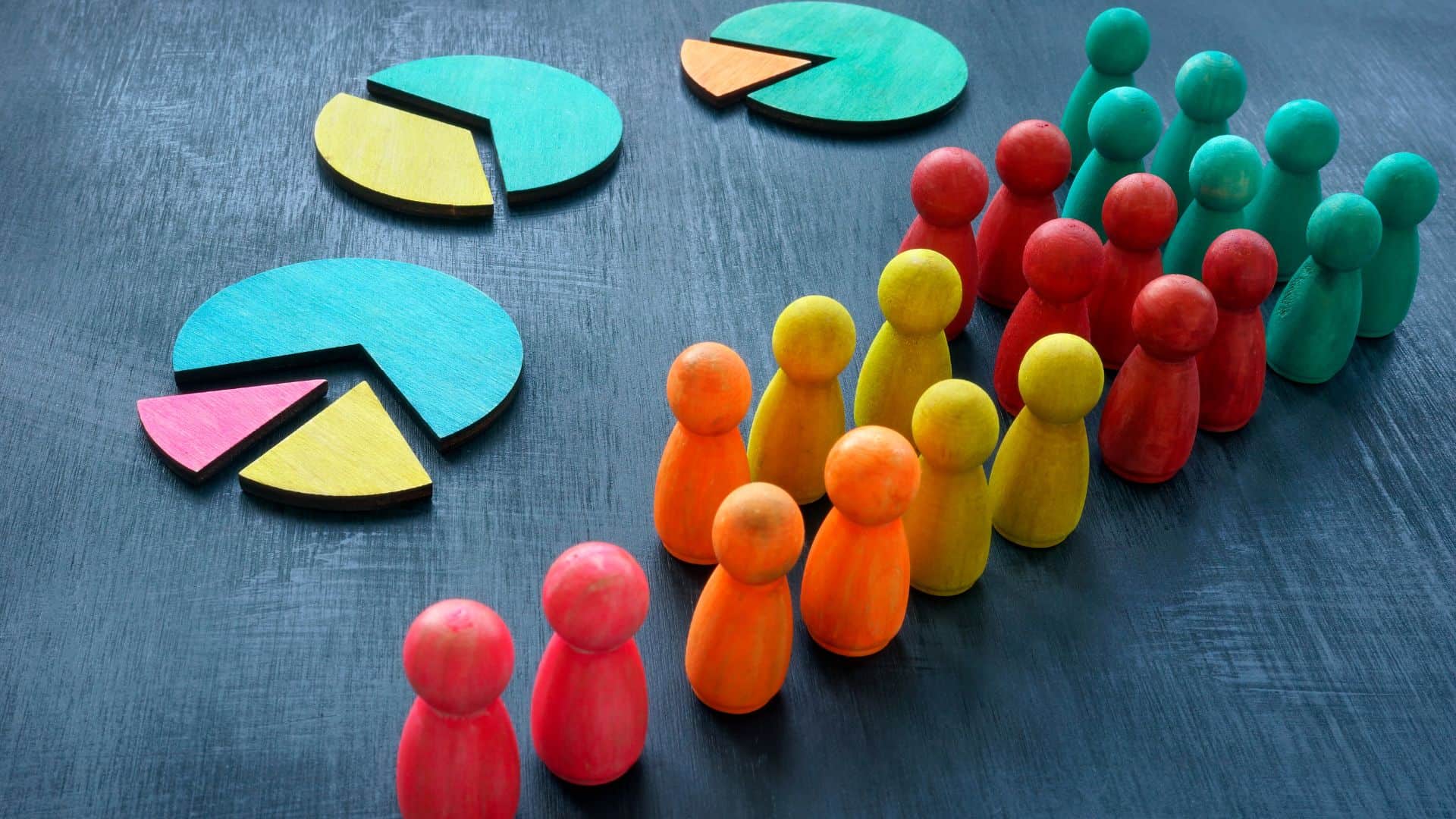
Segmentation goes a step further by breaking your broader audience into smaller, more specific groups based on common traits. These traits can include things like age, location, interests, or purchasing habits. By doing this, you can create messages that are even more personalised and relevant to each group.
For example, a skincare brand might have different segments. One might be for young adults dealing with acne . While another could be middle-aged customers interested in anti-aging products, and those looking for natural, organic options. Each group gets content that speaks directly to their concerns. This makes them feel understood and more likely to engage with the brand. Segmentation is key to delivering the right message to the right people at the right time.
Why Do Audience Targeting and Segmentation Matter?
The real power of targeting and segmentation lies in how they make your marketing more efficient and effective. When you focus on the right people, you avoid spending money on ads that won’t get results. And when you tailor your messages to specific groups, those messages feel more personal and relevant. This leads to better engagement and higher conversion rates.
Customers are bombarded with ads everywhere they go. So, standing out requires more than just flashy designs or catchy slogans. It’s about connecting with people on a deeper level and showing them you understand what they need. That’s exactly what targeting and segmentation allow you to do. It helps you cut through the noise and reach the people who matter most to your business.
How SEO Supports Client Segmentation & Audience Targeting
Client segmentation and audience targeting are essential strategies to create personalised marketing experiences, but without visibility, even the most well-crafted messages won’t reach your intended audience. This is where SEO becomes a critical tool. By optimising your content for search engines, you can ensure that your segmented campaigns are discoverable by the right people at the right time.
SEO helps connect your audience with your content by ensuring that it ranks for the relevant search queries. By understanding how search engines work and implementing effective SEO strategies, you can drive more targeted traffic to your website. Want to learn more? Check out our SEO services to see how we can help you boost visibility and connect with your audience.

The Benefits of Audience Targeting and Segmentation

Audience segmentation is a game-changer for businesses looking to take their marketing to the next level. First, divide your customer base into smaller, more specific groups. That way you can deliver tailored content that speaks directly to their unique needs. This not only improves customer experience but also boosts the effectiveness of your marketing efforts across the board. Here’s a closer look at the key benefits and how to create audience segmentation for personalisation.
Creating Improved Personalisation
When you know exactly who you’re talking to, it’s much easier to create messages that feel personal. Audience targeting and segmentation allows you to break down your audience by factors like age, interests, buying behaviour, or location. In turn, it helps you create messages that resonate with each group. Audience segmentation for personalisation is more than just adding someone’s name to an email. Ultimately, it’s about delivering content that feels relevant to their specific situation.
For example, a travel company might segment their audience into adventure travellers, families, and luxury holiday makers. Each of these groups has very different needs and preferences, so a one-size-fits-all message won’t work. By segmenting, the company can send tailored content. This might include rugged hiking trips for the adventure group. Or family-friendly holiday packages for parents, and high-end resorts for the luxury crowd. When people see content that speaks directly to what they’re looking for, they’re much more likely to engage.
Higher Conversion Rates
The more relevant your message is, the better the response you’ll get, and segmentation plays a huge role in this. Using specific characteristics or behaviour to divide your audience, you can send them targeted messages that hit the mark. Rather than sending the same offer, you can provide each group with something that’s meant just for them.
For instance, let’s say you run an online clothing store. If you segment your audience based on their shopping habits, you can send one group personalised recommendations based on their past purchases. While another group might get a discount code to encourage them to complete an abandoned cart. This kind of tailored approach makes customers feel like you understand their needs, leading to higher engagement and, ultimately, more sales. Segmentation helps guide your audience through the sales funnel with messages that push them closer to making a purchase.
Optimised Marketing Spend
One of the biggest advantages of audience segmentation is that it helps you get more out of your marketing budget. Instead of spending money to reach people who may not be interested, segmentation ensures that your marketing dollars are focused on the groups most likely to convert. By prioritising your most valuable segments—whether that’s your high-spenders, repeat customers, or a specific demographic—you can cut down on wasted ad spend and improve your overall ROI.
For example, if you’re running a paid advertising campaign, you can segment your audience by their past interactions with your brand. You might allocate more budget to re-target customers who’ve already shown interest in your products while scaling back on less engaged groups. This way, your money goes where it’s most likely to make an impact. In the end, segmentation helps you get the best bang for your buck.
By embracing audience segmentation, businesses can connect with customers cost effectively, on a deeper level, and boost engagement. It’s about working smarter, not harder, and ensuring that every marketing message has a real impact.
Types of Audience Segmentation

Audience segmentation isn’t a one-size-fits-all approach. To truly connect with different groups of people, businesses need to break down their audience into smaller, more meaningful segments. These segments are based on various factors, such as demographics, behaviour, and even lifestyle choices. Each type of segmentation allows you to target specific customer needs and preferences, increasing the impact you have.
Demographic Targeting and Segmentation
One of the most straightforward ways to segment an audience is by using demographic data. Demographic segmentation groups people based on measurable characteristics like age, gender, income, education level, and occupation. It’s a tried-and-true method because these factors often influence buying behaviour and preferences.
For example, a tech company launching a new smartphone might use demographic segmentation to target young professionals. These might be more likely to want the latest features and design. On the other hand, they could also create separate campaigns for older users. In this case, this group might prioritise ease of use and reliability. By tailoring messages accordingly, marketing becomes more relevant, increasing the chances of a positive response.
Psychographic Segmentation
While demographics tell you who your audience is, psychographics help you understand why they make certain choices. Psychographic segmentation dives deeper into personality traits, values, interests, and lifestyle. This type of segmentation is powerful because it taps into the emotional and psychological factors that drive purchasing decisions.
For instance, a company selling outdoor gear might segment its audience based on their passion for adventure, dividing them into groups like hardcore hikers, casual campers, or eco-conscious travellers. Each of these groups has different motivations for purchasing gear—some may value performance, while others prioritise sustainability. By understanding what drives these customers, the company can create marketing that feels more aligned with their interests and values, resulting in stronger connections and better engagement.
Geographic Segmentation
Geographic segmentation is all about location. It allows businesses to target specific regions, cities, or even neighbourhoods. This is especially useful for businesses with a local presence or those whose products and services are influenced by geographic factors like climate, culture, or regional trends.
For example, a restaurant chain might use geographic segmentation to promote different menu items depending on the location. A coastal branch might highlight fresh seafood, while an inland location could focus on hearty, comfort food.
Similarly, a clothing brand might promote winter coats in colder regions and lightweight, summer clothes in warmer climates. By tailoring content to fit the needs and preferences of specific geographic areas, businesses can create marketing campaigns that are much more relevant to the audience in those regions.
Behavioural Segmentation
Perhaps the most insightful type of segmentation is behavioural segmentation, which groups customers based on their actions, habits, and brand loyalty. By analysing how people interact with your products or services, you can target them with messages that reflect their buying behaviour.
For instance, a customer who frequently purchases from your site could be part of a loyalty programme segment, allowing you to send them exclusive offers and rewards. Meanwhile, another customer who visited your website but didn’t complete a purchase might be placed in a re-targeting campaign with a special discount to encourage them to finalise their order. Behavioural segmentation is extremely effective because it focuses on real-time actions and intent, helping businesses deliver highly relevant and timely content that speaks directly to a customer’s immediate needs.
By leveraging these different types of audience segmentation, businesses can reach their customers in ways that feel more personal and meaningful. Each segmentation type allows for more precise targeting, which leads to more effective marketing campaigns and better customer relationships.
How to Create a Buyer Persona

Understanding who your customers are is essential for any successful marketing strategy, and that’s where buyer personas come in. By creating a detailed profile of your ideal customer, known as a buyer persona, you can shape your marketing efforts to align with their needs, preferences, and behaviours. This makes it easier to create messages, offers, and campaigns that resonate with the people who are most likely to engage with your brand.
What is a Buyer Persona?
A buyer persona is a semi-fictional representation of your ideal customer based on data and research. It goes beyond basic demographics and includes deeper insights like their goals, challenges, buying motivations, and even their day-to-day life. Think of it as a snapshot of who your customer is and why they might be interested in your product or service. By defining these personas, businesses can better understand what drives their audience and how to speak directly to their needs.
For example, a company selling project management software might create a persona for a “Tech-Savvy Start-up Founder” who values efficiency, automation, and collaboration tools to streamline operations.
Another persona might be a “Corporate Project Manager” who prioritises integration with other software and wants detailed reporting features.
Each of these personas has different pain points and goals, which can guide how the company markets its software to them.
How to Create a Buyer Persona
Building a buyer persona involves gathering information from a variety of sources to paint a clear picture of your ideal customer. Here’s a step-by-step guide on how to create a buyer persona that will help you refine your marketing approach:
- Collect Demographic Data.
- Start with the basics like age, gender, location, job title, and income level. This information can often be pulled from website analytics, social media insights, or customer databases.
- Gather Psychographic Information.
- Dive deeper into your customers’ values, interests, and lifestyles. Surveys, interviews, and social media interactions can give you insight into what matters most to them and how they spend their time.
- Understand Customer Pain Points.
- Identify the challenges or problems your customers are facing that your product or service can solve. This helps shape your messaging and shows that you understand their needs.
- Analyse Buying Behaviour.
- Look at how your customers interact with your brand—whether they’re first-time visitors, loyal repeat buyers, or those who abandon carts. Understanding their behaviour allows you to predict what type of content or offer will resonate.
- How to Create a Buyer Persona for Better Audience Targeting.
- Pull everything together into a clear, concise profile that includes a persona’s name, background, goals, challenges, preferred communication channels, and buying motivations. The more detailed your persona, the easier it will be to tailor your marketing efforts.
Examples of Buyer Personas
To bring buyer personas to life, let’s look at some real-world examples and how businesses use them to fine-tune their marketing strategies.
- “Budget-Conscious Millennial”.
- A persona created by an online clothing store to represent young adults who love fashion but shop on a budget. Marketing efforts for this persona focus on promoting sales, discounts, and affordable trendy options, appealing to their desire for style without breaking the bank.
- “Health-Conscious Parent”.
- A grocery delivery service might create a persona for parents who are looking for healthy, organic food options for their families but have limited time to shop. Content for this persona would emphasize convenience, healthy meal planning, and time-saving tips.
- “Tech-Savvy Small Business Owner”.
- A persona used by a software company selling accounting tools. This group values automation and efficiency, so the marketing messages focus on how the software can save time and simplify bookkeeping processes for busy entrepreneurs.
These personas allow businesses to tailor their messaging and offerings, making them more relevant and appealing to each segment. When done right, buyer personas act as a blueprint for understanding your audience and delivering content that connects with them on a deeper level.
Personalisation Through Audience Segmentation

Personalisation has become one of the most powerful tools in marketing, and data-driven audience segmentation is what makes it possible. By dividing your customer base into specific groups, you can create tailored marketing messages that speak directly to the needs and preferences of each segment. This approach ensures that every interaction with your brand feels relevant and personal, which not only enhances the customer experience but also increases engagement and conversions.
How Segmentation Enables Personalisation
Audience segmentation allows you to break down your audience into smaller, meaningful groups based on factors like demographics, interests, behaviours, and more. Once you’ve identified these groups, you can customise your messaging to address their specific concerns, preferences, or pain points. Personalisation can go far beyond just using someone’s name in an email—it’s about delivering content, offers, and product recommendations that feel tailored to their unique situation.
For example, imagine a fitness company that sells a variety of workout equipment and supplements. By segmenting their audience into groups such as beginners, experienced athletes, and seniors, they can create different marketing campaigns for each. Beginners might receive content about starting a workout routine and suggestions for entry-level equipment, while experienced athletes could get information about advanced training gear and recovery supplements. Meanwhile, seniors might be targeted with low-impact exercise equipment and health tips tailored to their age group. This type of personalised marketing shows that you understand your customers’ specific needs, making them more likely to engage with your brand.
Examples of Personalised Marketing
Let’s look at how some businesses have used audience segmentation for personalisation to create highly personalised marketing experiences:
- Netflix.
- One of the most well-known examples of personalised marketing comes from Netflix. The streaming giant uses behavioural segmentation to analyse viewers’ preferences and habits, allowing them to recommend shows and movies based on past behaviour. Each user gets a unique experience tailored to their tastes, which keeps them engaged and more likely to stay on the platform.
- Amazon.
- Amazon is another great example of personalisation through segmentation. By analysing customer purchase history and browsing habits, Amazon is able to recommend products that align with each individual’s preferences. If a customer frequently buys skincare products, they’ll see recommendations for related items like moisturizers or face masks, increasing the likelihood of additional purchases.
- Sephora.
- The beauty retailer Sephora uses both demographic and behavioural segmentation to personalise marketing efforts. For example, they send tailored emails based on skin tone, beauty preferences, and previous purchases. A customer who buys cruelty-free products may receive personalised content highlighting vegan beauty items, while another customer might get tutorials for makeup trends based on their previous purchases.
These brands show how powerful personalisation can be when fuelled by proper segmentation. Whether it’s recommending products, curating content, or sending personalised offers, segmentation helps businesses provide experiences that feel custom-made for each customer. This not only builds stronger customer relationships but also drives higher conversion rates and fosters brand loyalty.
By using audience segmentation to personalise your marketing, you can deliver more meaningful interactions that resonate with customers on a deeper level. Tailoring your approach to each segment’s specific needs makes your brand more relevant and increases the chances of engagement, driving both short-term conversions and long-term customer loyalty.
Audience Targeting and Segmentation Tools

To effectively segment and target your audience, you need the right tools in place. Fortunately, there are several powerful audience segmentation tools that can help businesses break down their customer base, analyse data, and deliver personalised marketing campaigns. These tools not only streamline the process but also provide insights that can significantly enhance the effectiveness of your marketing efforts.
Top Tools for Audience Targeting and Segmentation
Here’s a list of some of the most popular and effective tools for audience segmentation:
- Google Analytics.
Google Analytics is a robust and widely-used tool that offers valuable data about your website visitors, including demographics, geographic location, and behaviour. It helps you understand which segments are most engaged with your content and where improvements can be made. - HubSpot.
HubSpot is an all-in-one marketing platform with built-in segmentation tools. It allows you to create detailed customer profiles using information gathered from forms, emails, and website activity. With HubSpot, you can easily set up personalised workflows for different audience segments. - Facebook Ads Manager.
Facebook Ads Manager offers powerful audience targeting features, allowing you to segment users based on demographics, interests, online behaviour, and more. You can also create custom audiences from your existing customer data and use lookalike audiences to find new prospects similar to your best customers. - Mailchimp.
Mailchimp is an email marketing platform that provides excellent audience segmentation features. You can segment contacts based on engagement levels, location, past purchases, and much more. Mailchimp also offers tools to automate personalised email campaigns based on these segments. - Salesforce Marketing Cloud.
Salesforce offers advanced tools for audience segmentation and customer relationship management. You can collect data across various touchpoints, then use it to create precise segments that are targeted with personalised content across multiple channels, including email, social media, and ads. - Klaviyo.
Klaviyo is an email and SMS marketing tool designed for e-commerce businesses. It offers detailed segmentation capabilities based on customer behaviour, such as browsing patterns, purchase history, and engagement with past campaigns. This allows brands to send highly relevant and timely messages to their customers.
How to Use These Tools
Using these tools effectively requires a strategic approach. Here’s how you can get the most out of them:
- Start with Clear Goals.
Before diving into audience segmentation, define what you want to achieve. Are you looking to boost engagement, drive conversions, or improve retention? Knowing your goals will help you decide which data points to focus on when segmenting your audience. - Analyse Existing Customer Data.
Use tools like Google Analytics or HubSpot to gather data on your current audience. Look at their demographics, interests, behaviour on your website, and how they interact with your content. This will give you a better understanding of who your customers are and how to group them into meaningful segments. - Create and Refine Segments.
Use the segmentation features within your chosen tool to create distinct groups based on relevant criteria—whether that’s age, location, purchase history, or engagement levels. Be sure to refine these segments over time as more data becomes available and customer behaviour evolves. - Personalise Your Campaigns.
Once your segments are in place, tailor your marketing messages to each group’s unique needs. Tools like Mailchimp and Klaviyo allow you to automate this process, sending personalised emails or SMS campaigns to different segments based on their actions and preferences. - Track and Adjust
Segmentation isn’t a set-it-and-forget-it process. Regularly monitor the performance of your segments using the reporting features in tools like Facebook Ads Manager or Salesforce. If one segment isn’t responding as expected, consider tweaking your message or creating a new segment to better target their needs.
By leveraging these audience targeting and segmentation tools, you can gain a deeper understanding of your customers and deliver highly personalised marketing campaigns that drive results. The key is to combine the insights provided by these platforms with a clear strategy, regularly reviewing and refining your segments to stay aligned with your audience’s evolving behaviours and preferences.
Why Combine SEO with Segmentation?
When you combine client segmentation with SEO, you’re not just tailoring your content—you’re ensuring that the right people actually find it. By optimising your website and content for relevant keywords, SEO helps you attract segmented audiences, giving your campaigns a greater chance of success. Explore our SEO services to see how we can help you improve your search engine rankings and reach your ideal clients.
Case Studies: Success Stories of Audience Targeting and Segmentation

Seeing how real businesses successfully apply audience targeting and segmentation can provide valuable insights into how you can implement similar strategies. Whether it’s boosting conversions or improving lead quality, audience segmentation is a powerful tool across industries. Let’s take a look at two examples of companies that effectively used segmentation to enhance their marketing outcomes.
Example 1: E-commerce Business
Challenge
An online clothing retailer was struggling to convert website traffic into sales. While they had a steady flow of visitors, their marketing messages were broad and generic, failing to resonate with specific customer needs. As a result, many potential customers would browse but leave without making a purchase.
Solution
Audience targeting and segmentation based on both demographics and behavioural data was implemented. This divided their audience into several key segments:
- Young, budget-conscious shoppers interested in trendy, affordable options.
- High-income professionals who valued premium, high-quality products.
- Repeat customers who had made multiple purchases and could be encouraged to return with loyalty rewards.
Using these segments, it was possible to tailor its marketing messages to each group. The budget-conscious segment received regular promotions and discount offers, while the high-income group saw targeted ads for exclusive, high-end collections. Additionally, repeat customers were rewarded with personalised loyalty programme offers that encouraged them to stay engaged.
Results
The segmentation approach paid off. Conversions increased by 25% as each customer group began receiving marketing that felt more relevant and personalised. The loyalty programme helped drive repeat business, while the targeted discount campaigns attracted price-sensitive shoppers. By aligning their marketing with each segment’s specific needs, the company significantly improved both engagement and sales.
Example 2: B2B SaaS Company
Challenge
A B2B software-as-a-service (SaaS) company was facing difficulties with lead quality. Their broad marketing efforts were attracting plenty of leads, but many were not converting into paying customers. The company’s sales team often found that the leads they were chasing weren’t a good fit for their software, which was designed for companies seeking advanced analytics and automation solutions.
Solution:
In this case psychographic segmentation was used to better understand the motivations and challenges of their ideal customer. By conducting detailed surveys and interviews, two main psychographic segments were identified within their broader audience:
- Data-driven decision-makers who were highly analytical and seeking advanced features.
- Process-oriented managers who prioritised simplicity and ease of use in software solutions.
Armed with these insights, the marketing team were able to adjust their campaigns. For the data-driven segment, they emphasised the technical capabilities of the software, like advanced reporting and customisation features. For the process-oriented segment, the messaging highlighted ease of use, time savings, and simple integrations. The team also adjusted their ad targeting, focusing on content that resonated with each group’s unique decision-making process.
Results
This segmentation led to a significant improvement in lead quality. The company saw a 30% increase in qualified leads, as their marketing was now attracting decision-makers who were a better fit for the product. Conversion rates improved as well, with the sales team spending less time pursuing low-quality leads and more time closing deals with prospects who had specific needs that the software could meet.
These examples demonstrate how powerful audience targeting and segmentation can be in transforming a business’s marketing strategy. Whether you’re trying to boost conversions in an e-commerce setting or attract higher-quality leads in a B2B market, segmenting your audience allows you to deliver targeted, relevant messages that drive better results. By understanding what motivates different customer groups, your business can create marketing campaigns that truly resonate and lead to higher engagement, better leads, and increased sales.
Common Mistakes to Avoid with Audience Targeting and Segmentation

While audience targeting and segmentation can greatly enhance the effectiveness of your marketing efforts, it’s easy to make mistakes that can undermine its potential. Poor segmentation practices can lead to wasted resources, ineffective campaigns, and missed opportunities. Let’s explore some of the most common pitfalls to avoid when segmenting your audience.
Over-Segmenting
One of the biggest mistakes you can make is over-segmenting your audience. While it’s important to create relevant, targeted segments, slicing your audience into too many tiny groups can backfire. When you have an excessive number of segments, your marketing team may struggle to create unique messaging for each, leading to inconsistent or diluted campaigns. This can also result in smaller segments that aren’t significant enough to drive meaningful results.
For example, a company might create highly specific segments based on multiple overlapping factors like age, location, income, and shopping habits, only to find that some segments are so narrow they barely contain any customers. Instead of reaching a large, relevant audience with a clear message, the marketing becomes too fragmented. The key is to strike a balance—focus on the segments that make the biggest impact without spreading your efforts too thin.
Using Outdated Data
Another common issue is relying on outdated customer data for audience targeting and segmentation. Consumer behaviour, preferences, and circumstances change over time, and if your segmentation strategy isn’t updated regularly, you risk targeting audiences that no longer align with your product or message. For example, a segment you created based on data from two years ago might not reflect your current customer base. People move, their interests evolve, and new technology or trends may affect their buying behaviour.
To avoid this mistake, it’s crucial to regularly update your customer data. Tools like CRM platforms, email marketing software, and analytics programs can provide real-time insights that allow you to refine your segments. By ensuring your data is fresh, you can keep your messaging relevant and avoid targeting groups that are no longer engaged.
Ignoring Behavioural Data
Many businesses focus solely on demographic or psychographic data when creating audience segments, but behavioural data is just as important—if not more so. Behavioural segmentation groups customers based on how they interact with your brand, such as their purchasing habits, website activity, or level of engagement with your content. Ignoring this valuable data means you’re missing out on insights that could lead to more effective targeting.
For instance, two customers might share the same demographic profile—similar age, location, and income—but behave very differently. One might frequently browse your site and add items to their cart without completing a purchase, while the other might be a loyal repeat customer. Treating them the same in your marketing efforts would be a mistake. By incorporating behavioural data, you can target the first customer with abandoned cart reminders and discounts to close the sale, while rewarding the second with loyalty perks. Behavioural insights give you a clearer picture of where your customers are in their journey and how to engage them more effectively.
Avoiding these common segmentation mistakes—over-segmenting, using outdated data, and ignoring behavioural insights—can make a significant difference in the success of your marketing campaigns. Audience targeting and segmentation is powerful, but it requires careful planning and ongoing adjustments to stay effective. By keeping your segments manageable, updating your data regularly, and considering customer behaviour, you’ll be better equipped to deliver personalised marketing that drives results.
FAQs on Audience Targeting & Segmentation
When it comes to audience targeting and segmentation, there are often questions about how these strategies work and how to maintain them effectively. Below are answers to two of the most common questions that can help you fine-tune your approach and keep your marketing efforts on track.
What’s the Difference Between Audience Targeting and Segmentation?
While audience targeting and segmentation are closely related, they serve distinct roles in marketing strategy. Audience targeting is the process of identifying and reaching the right people with your marketing messages. It focuses on who is most likely to engage with your product or service and aims to get your message in front of this specific group. Essentially, targeting is about finding your ideal audience, whether that’s through digital ads, email campaigns, or content marketing.
On the other hand, audience segmentation is the practice of dividing your audience into smaller, more specific groups based on shared characteristics. These characteristics can include demographics like age and gender, psychographics like interests and values, or behavioural patterns such as past purchases and website activity. Segmentation allows you to tailor your marketing to the unique needs and preferences of each group, making your campaigns more personalized and relevant.
To put it simply: targeting is about who you’re trying to reach, and segmentation is about how you categorise and approach them once you’ve identified your audience.
How Often Should You Update Your Audience Segmentation?
Audience segmentation is not a one-time task—it needs to be regularly updated to stay relevant. The ideal frequency for reviewing and updating your segmentation depends on a few factors, but a good rule of thumb is to evaluate your segments every 6 to 12 months. This timeframe allows you to adjust to changes in customer behaviour, new trends, or shifting business goals.
However, if your business undergoes significant changes—such as launching a new product line, entering a new market, or experiencing a shift in customer preferences—you may need to revisit your segmentation sooner. Additionally, if you have access to real-time customer data through tools like CRM systems or analytics platforms, you can continuously refine your segments based on fresh insights.
Regular updates ensure your marketing efforts remain aligned with the current behaviours and needs of your audience. As customers evolve, so should your segments. Whether it’s shifting priorities, new technology adoption, or economic changes, staying on top of your audience data keeps your campaigns relevant and effective.
Keeping your segmentation up to date and understanding the difference between targeting and segmenting are key to maintaining an agile and successful marketing strategy. By revisiting these elements regularly, you’ll stay connected with your audience in a meaningful way, ensuring that your campaigns hit the mark every time.
Conclusion
After exploring the various aspects of audience targeting and segmentation, you can see why these strategies are essential for any business looking to maximise the impact of its marketing efforts. By targeting the right audience and segmenting them based on key characteristics, businesses can deliver more personalised and relevant messages, resulting in higher engagement, better conversion rates, and optimised ad spend.
Whether you’re working in e-commerce, B2B, or any other industry, a well-defined segmentation strategy allows you to truly connect with your customers and address their unique needs. For further information our guide to small business marketing focuses on cost-effective strategies that can drive growth and customer engagement on a tight budget.
Key Takeaways
Audience targeting and segmentation ensures that your marketing reaches the people most likely to engage with your brand, while segmentation allows you to tailor your messaging to different customer groups. Together, they help you:
- Personalise your marketing messages to resonate with specific customer segments.
- Increase engagement and conversions by making your campaigns more relevant.
- Optimise your marketing budget by focusing on the audiences most likely to convert.
- Continuously refine your approach by updating segments based on new data and customer behaviour.
Next Steps
Now that you understand the importance of audience targeting and segmentation, it’s time to put these strategies into action. Start by defining your audience segments and creating detailed buyer personas for each group. Take the time to gather data on demographics, psychographics, and behaviours to ensure that your segmentation is accurate and actionable.
By breaking your audience into meaningful segments, you’ll be able to develop more effective campaigns that speak directly to the needs of each group. This not only improves your short-term results but also helps build stronger, long-term relationships with your customers.
Ready to get started?
Download our Audience Segmentation Worksheet to begin organising and defining your audience segments today. If you’re looking for tools to help with this process, explore our recommended audience segmentation tools that can streamline your efforts and provide valuable insights.
Don’t wait—start segmenting your audience now to unlock the full potential of your marketing strategy!